Cats have nine lives. Walter seems to have lived at least a dozen.
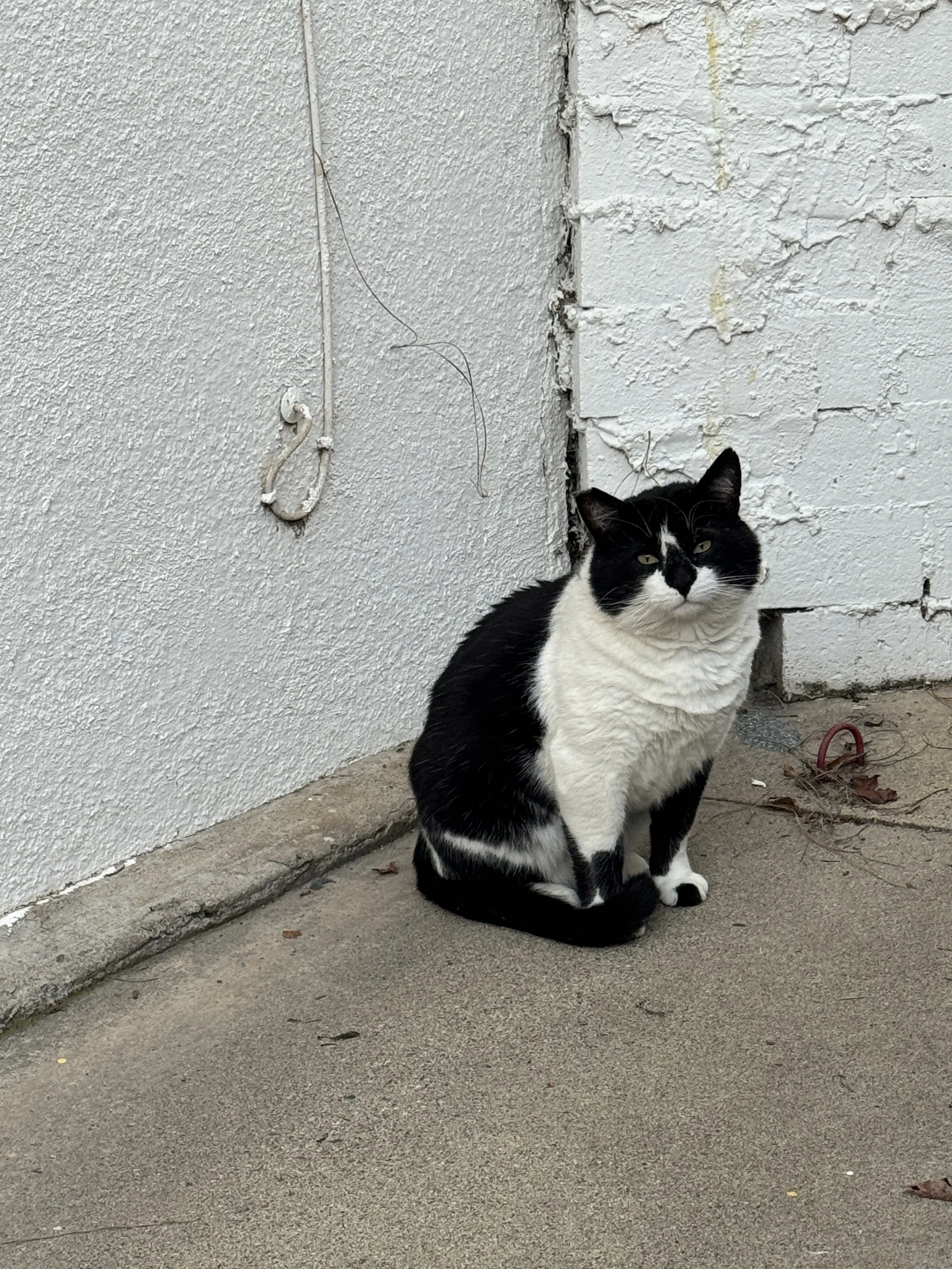
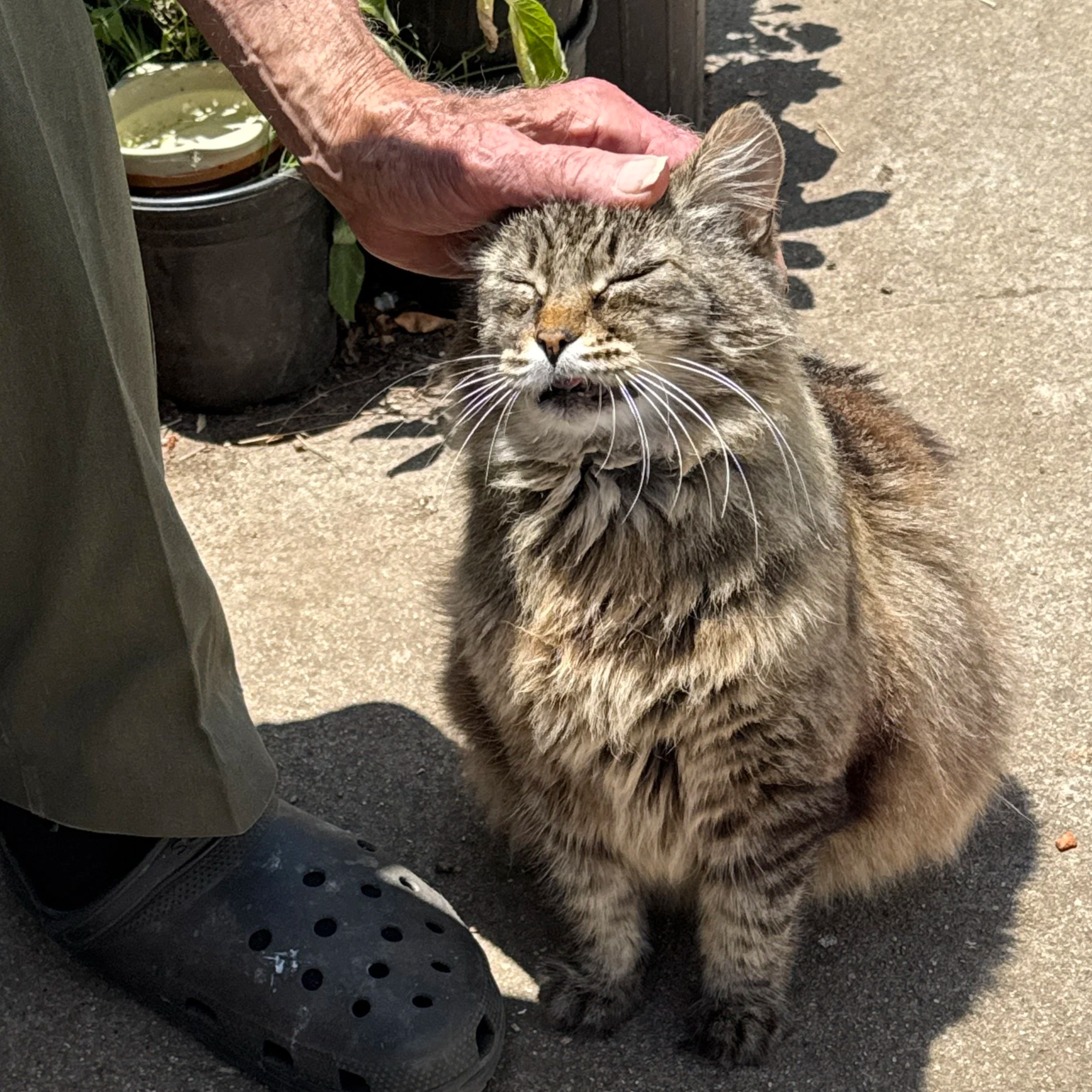
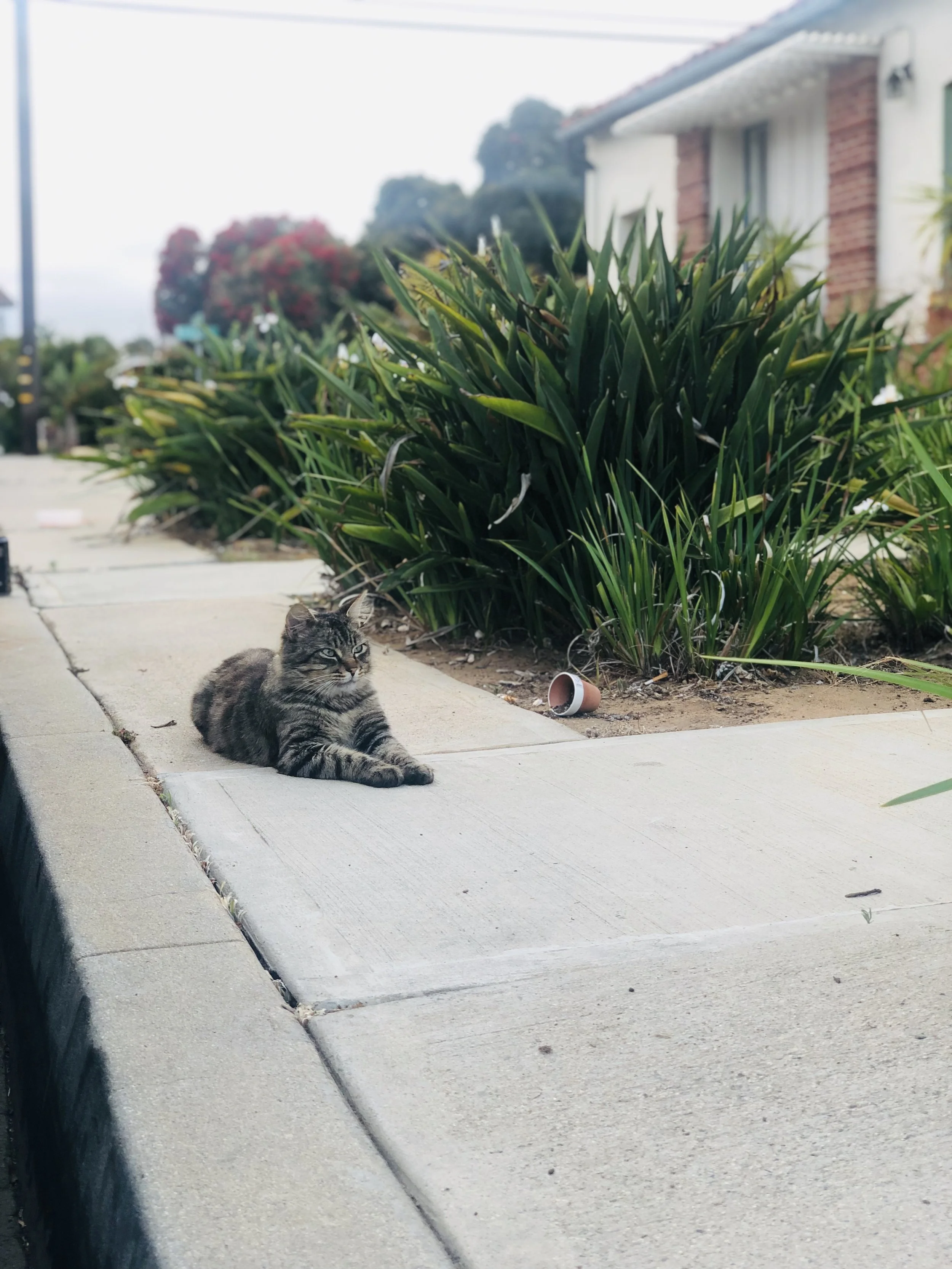
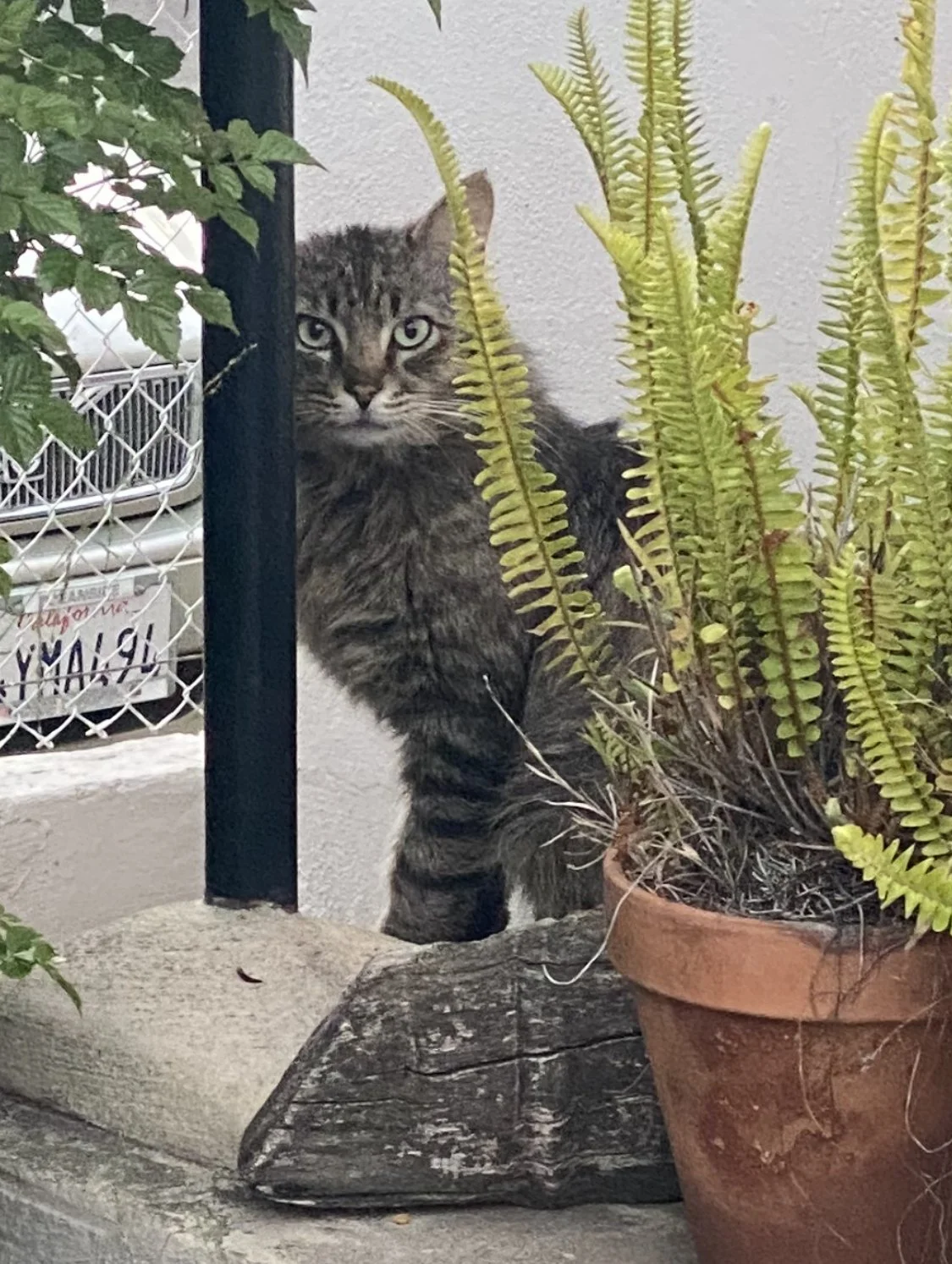
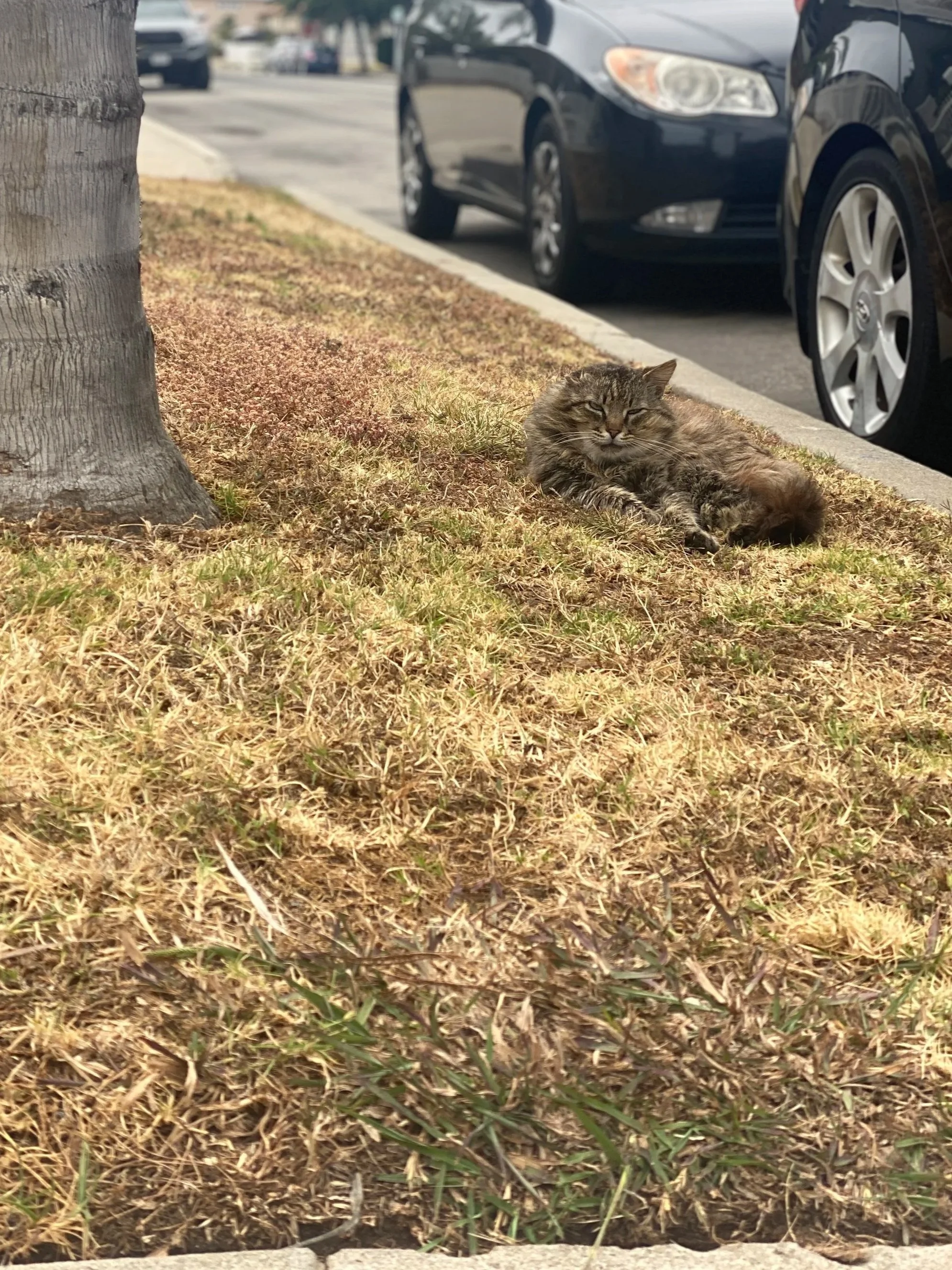
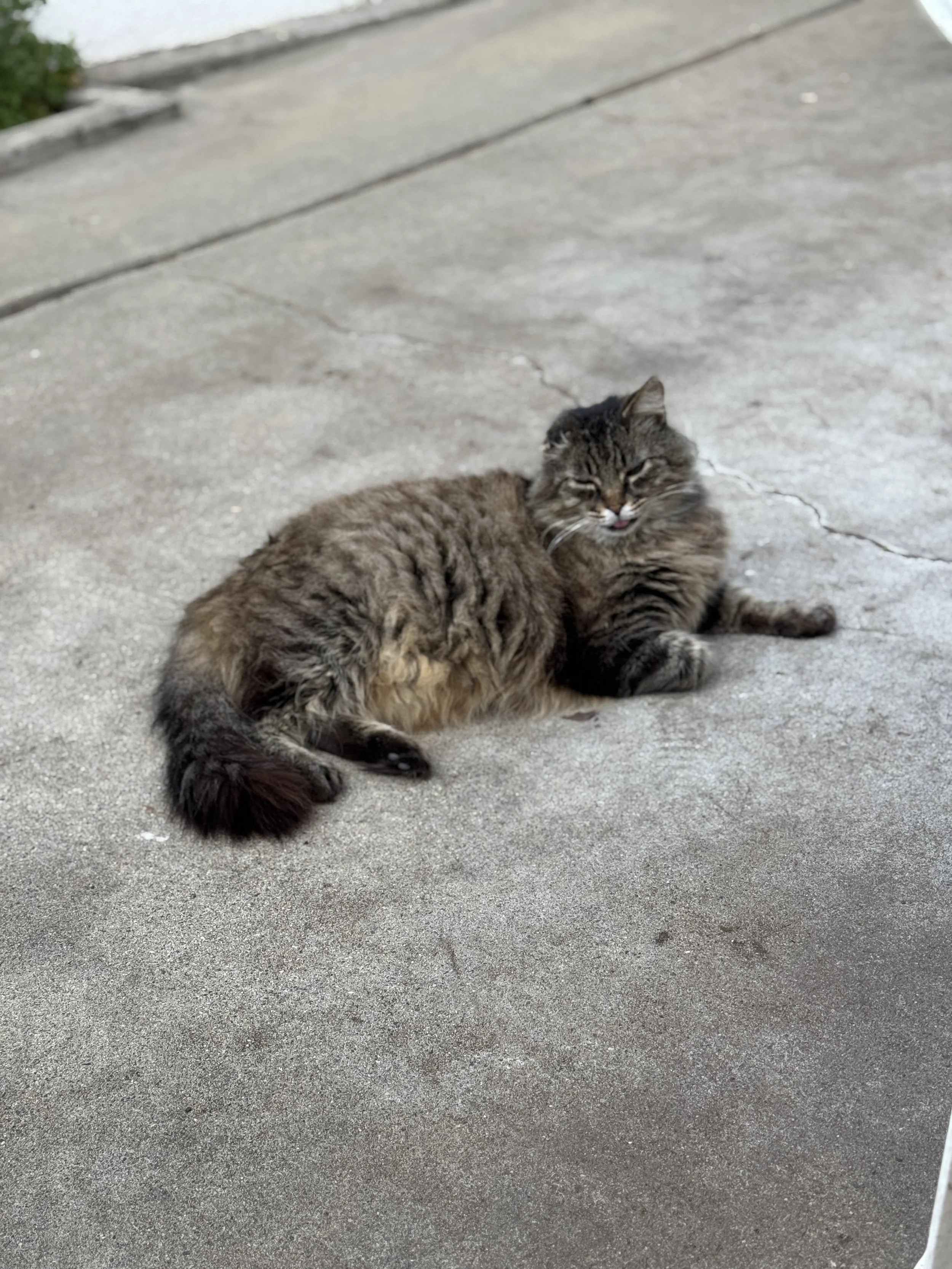
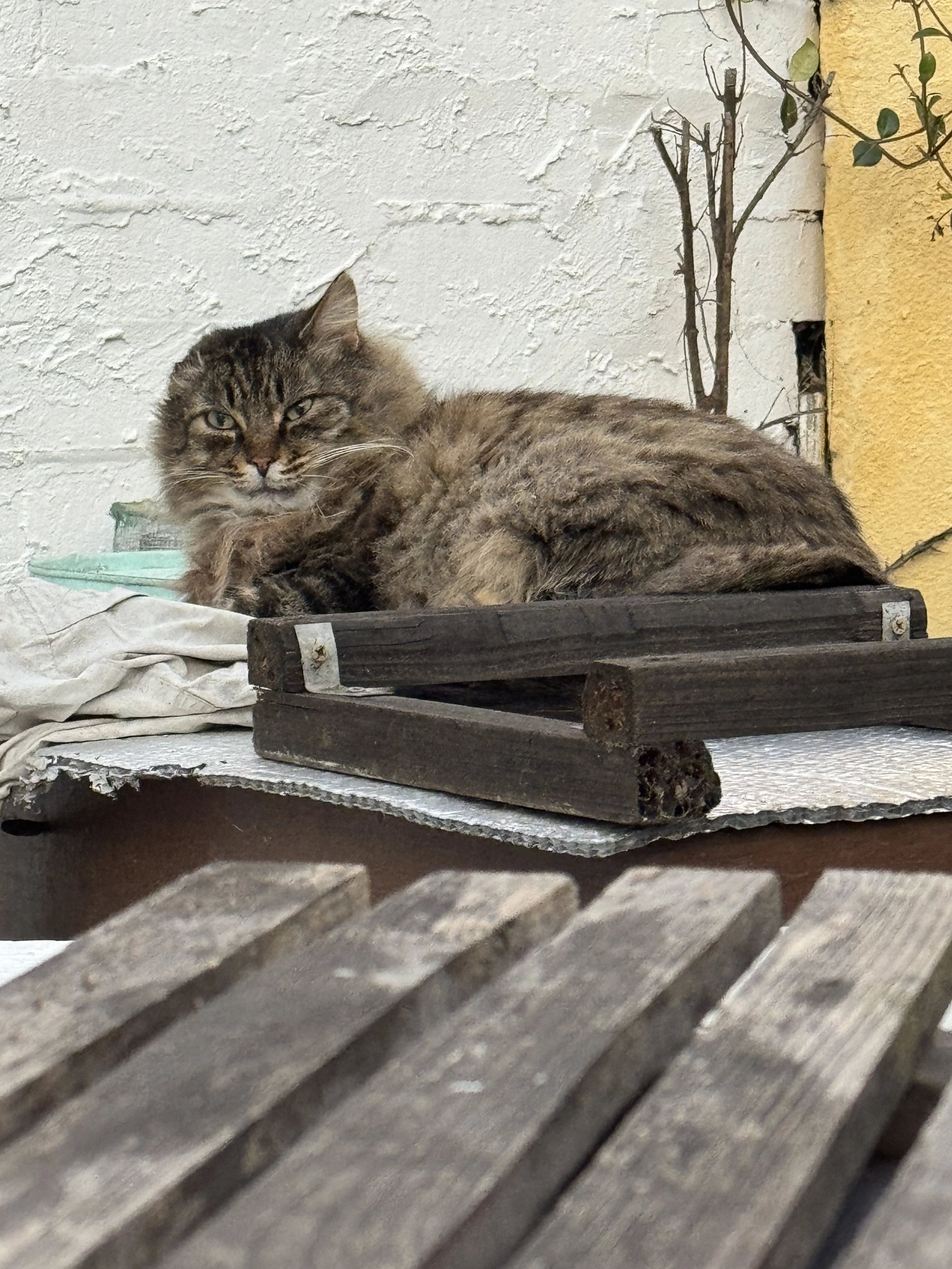
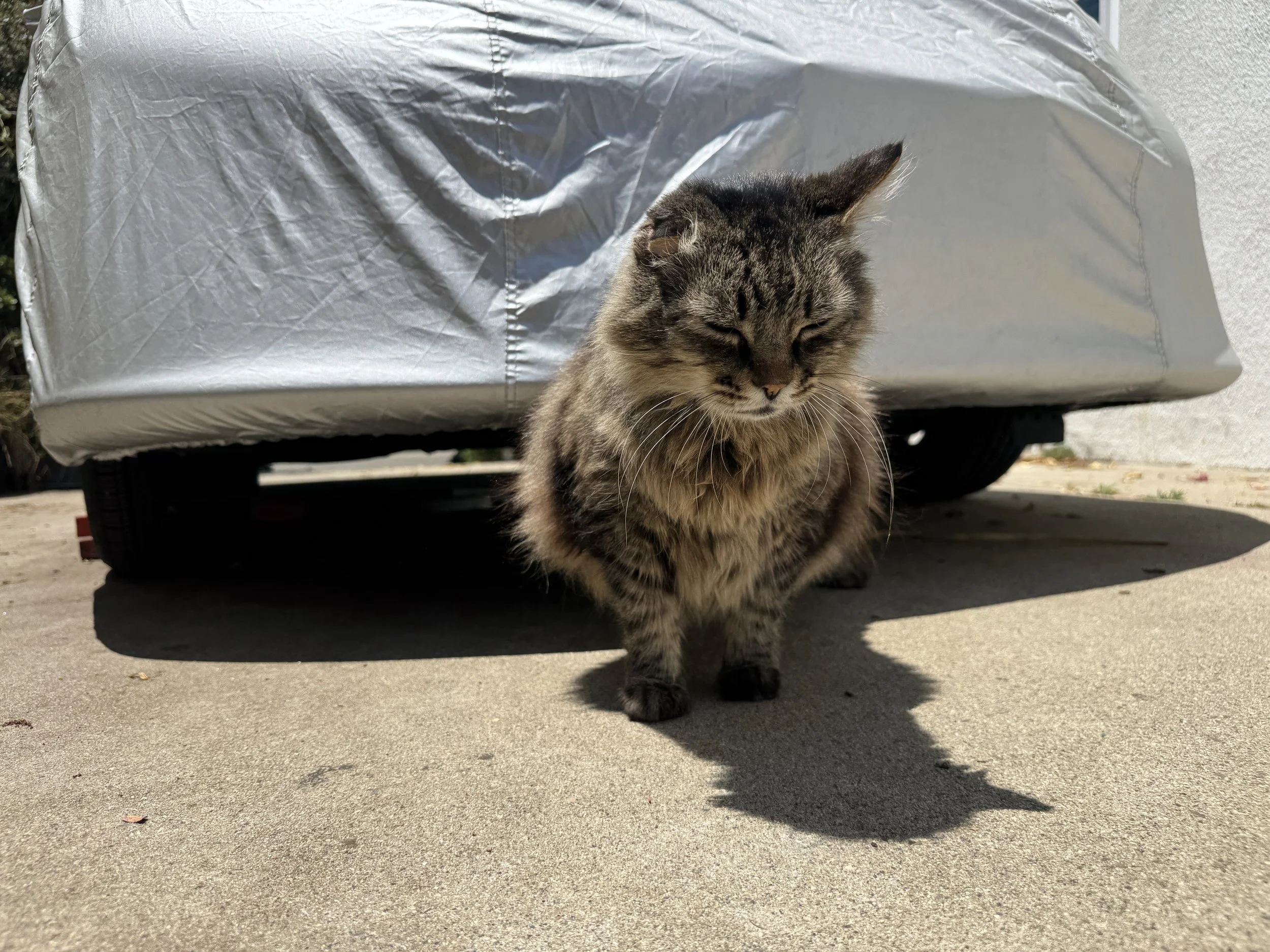
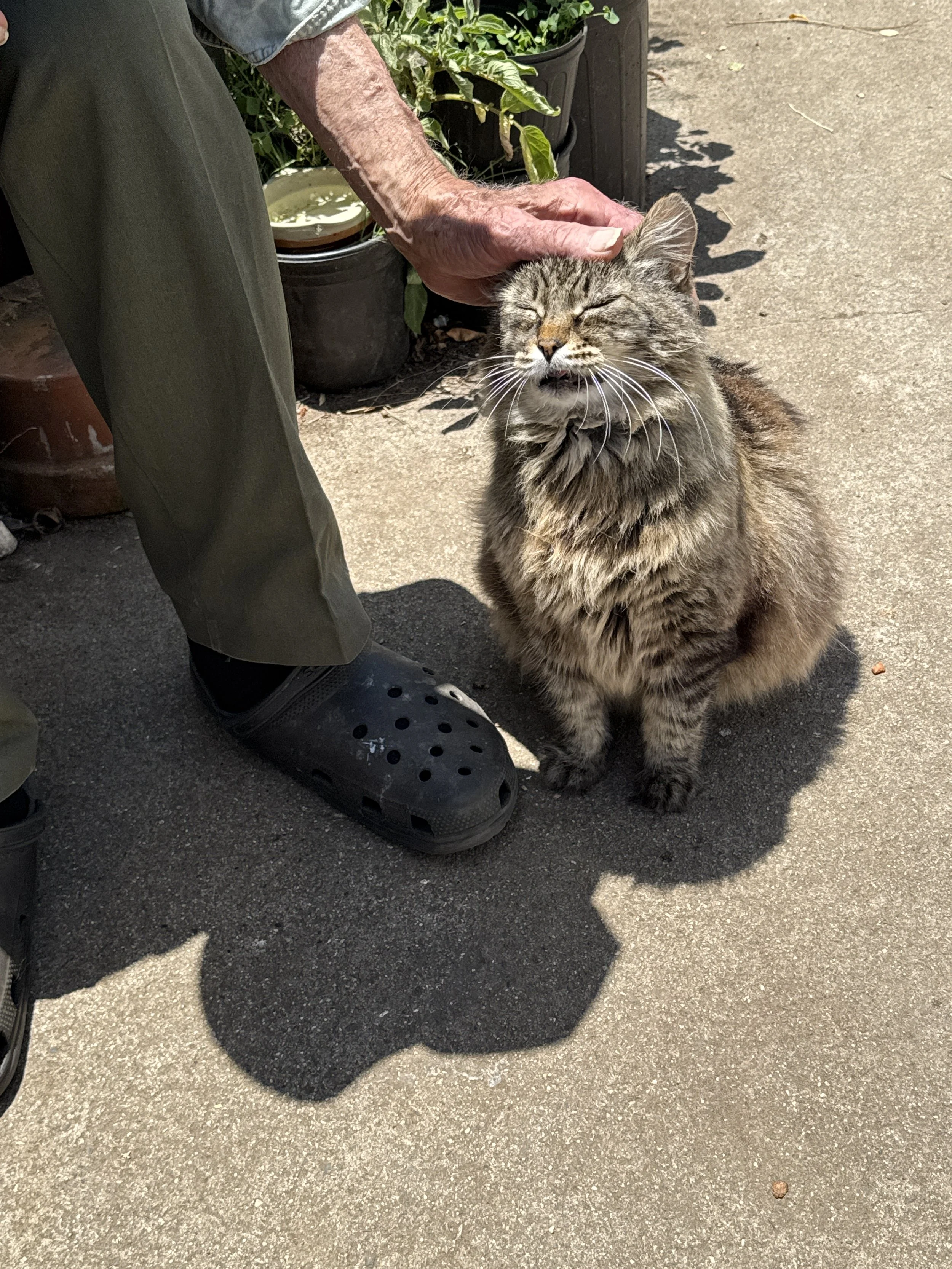
With his fluffy brown coat, one missing ear, and an unforgettable little blep smile, Walter is a neighborhood legend on our block here in Oceanside.
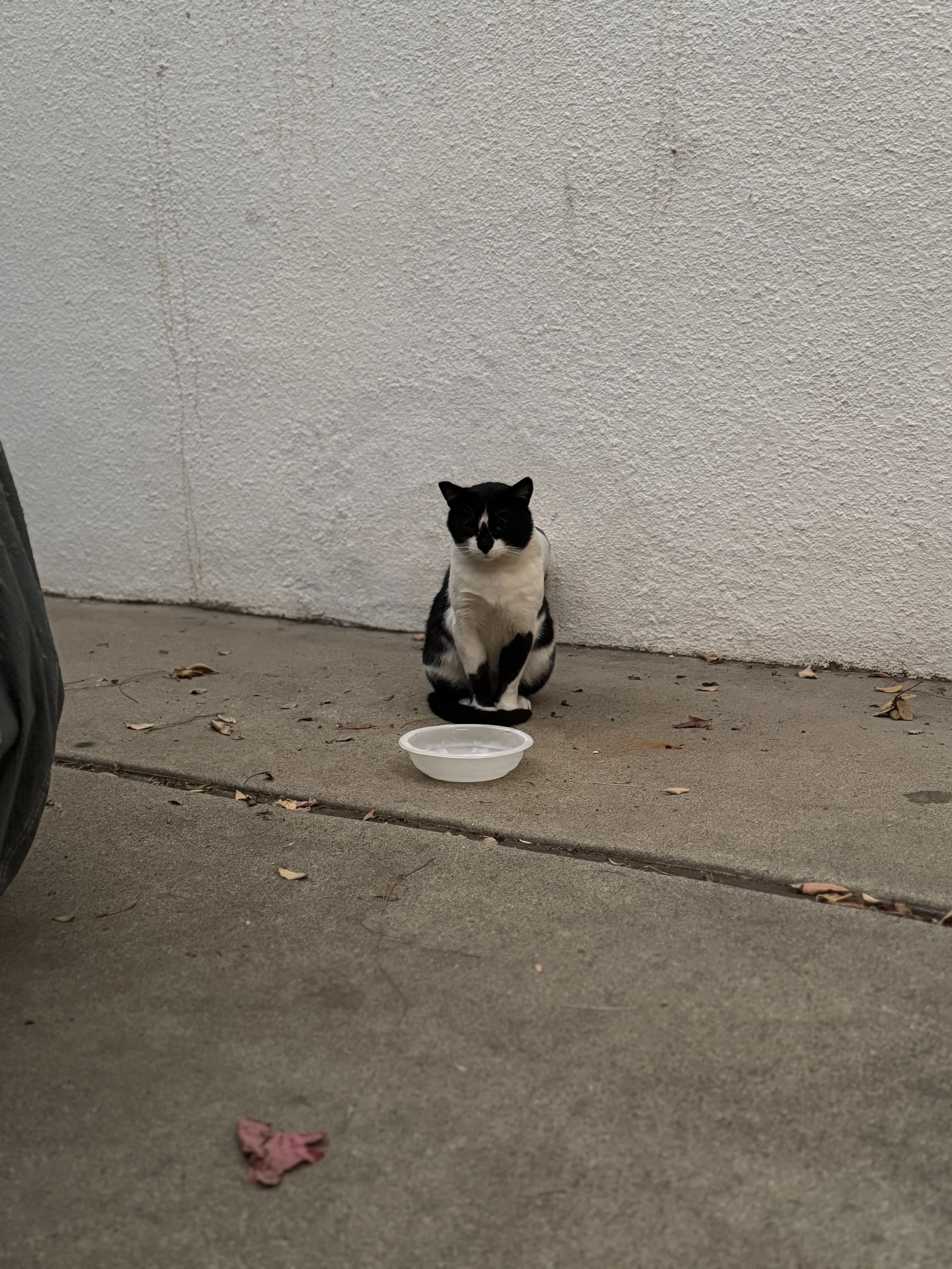
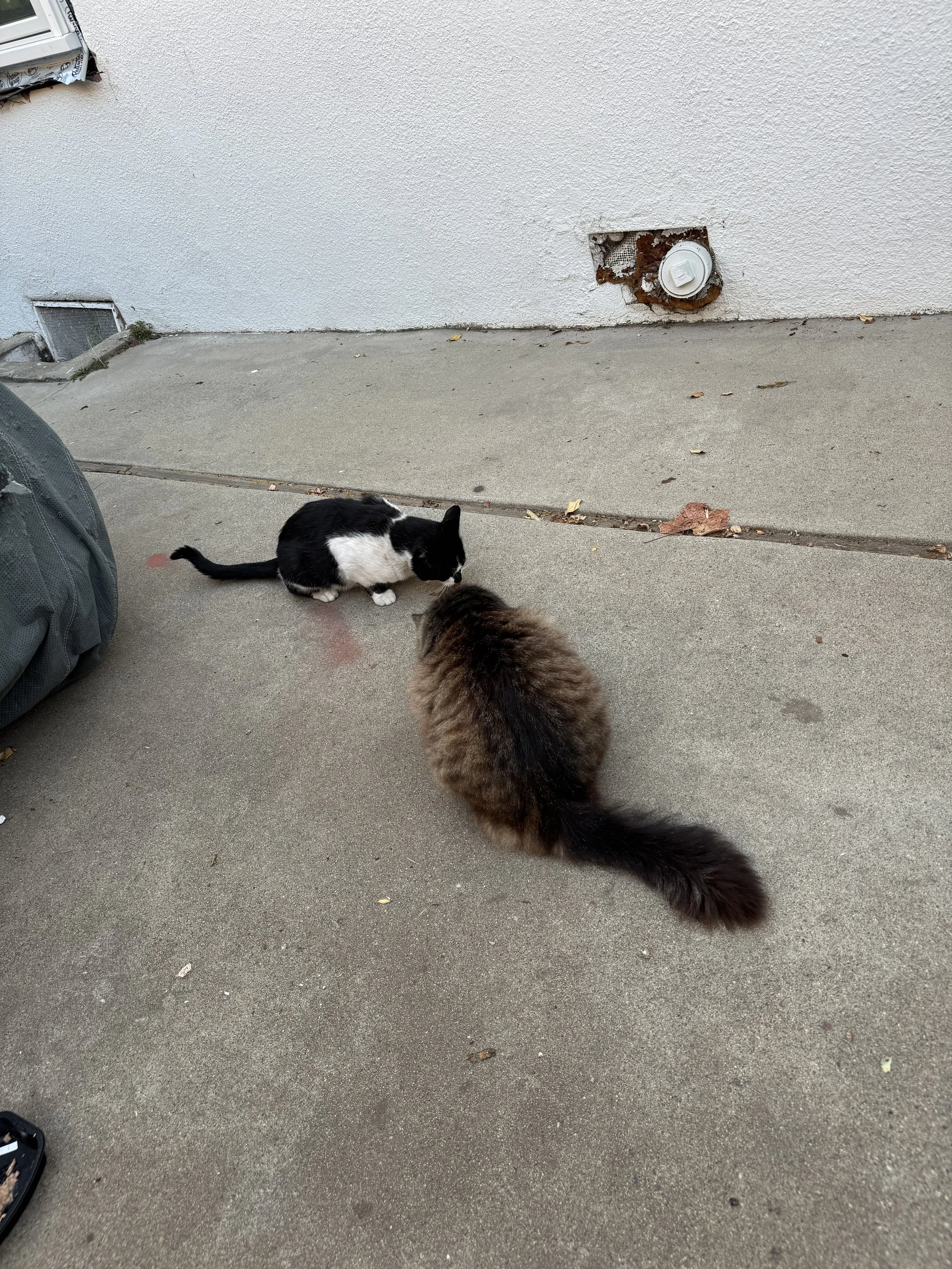
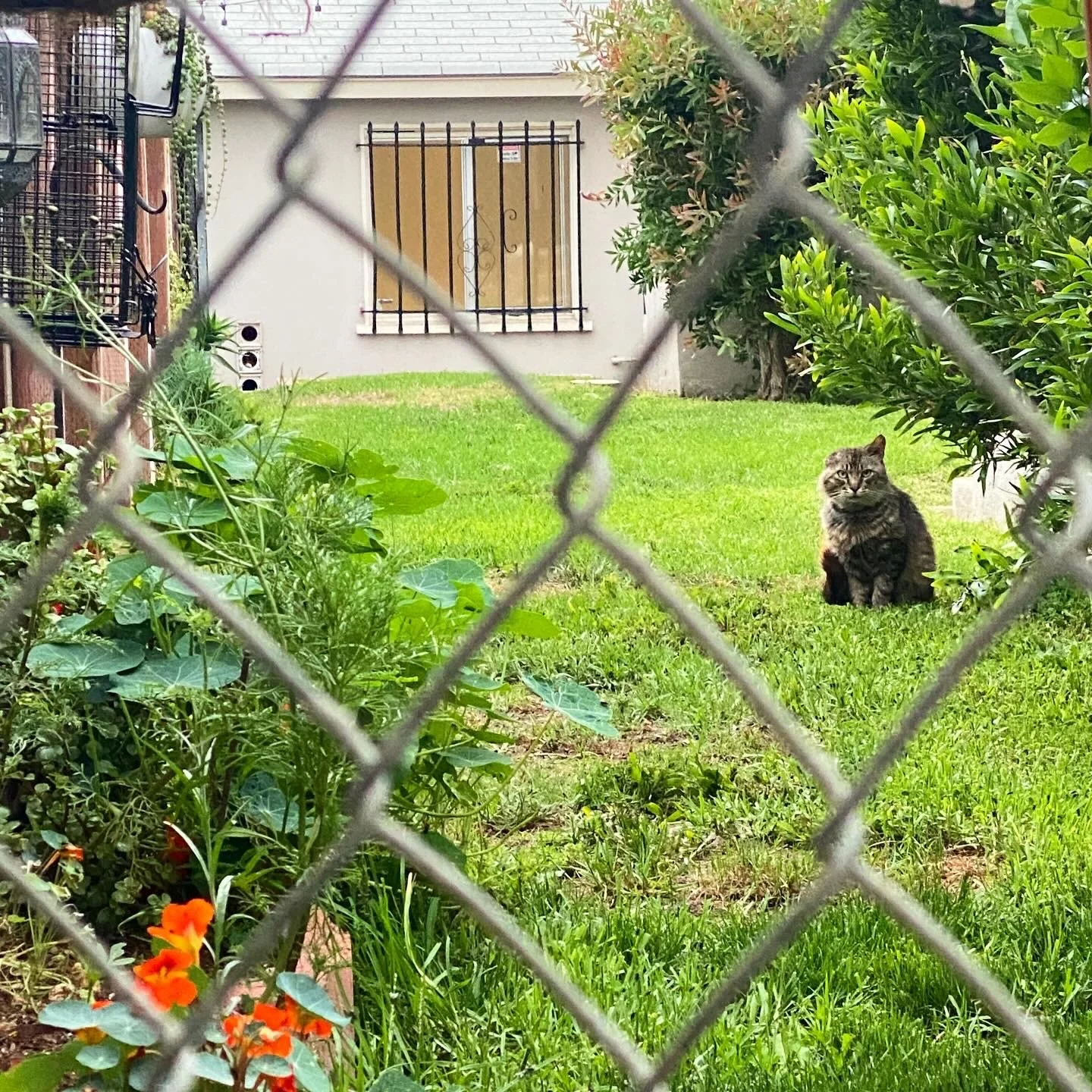
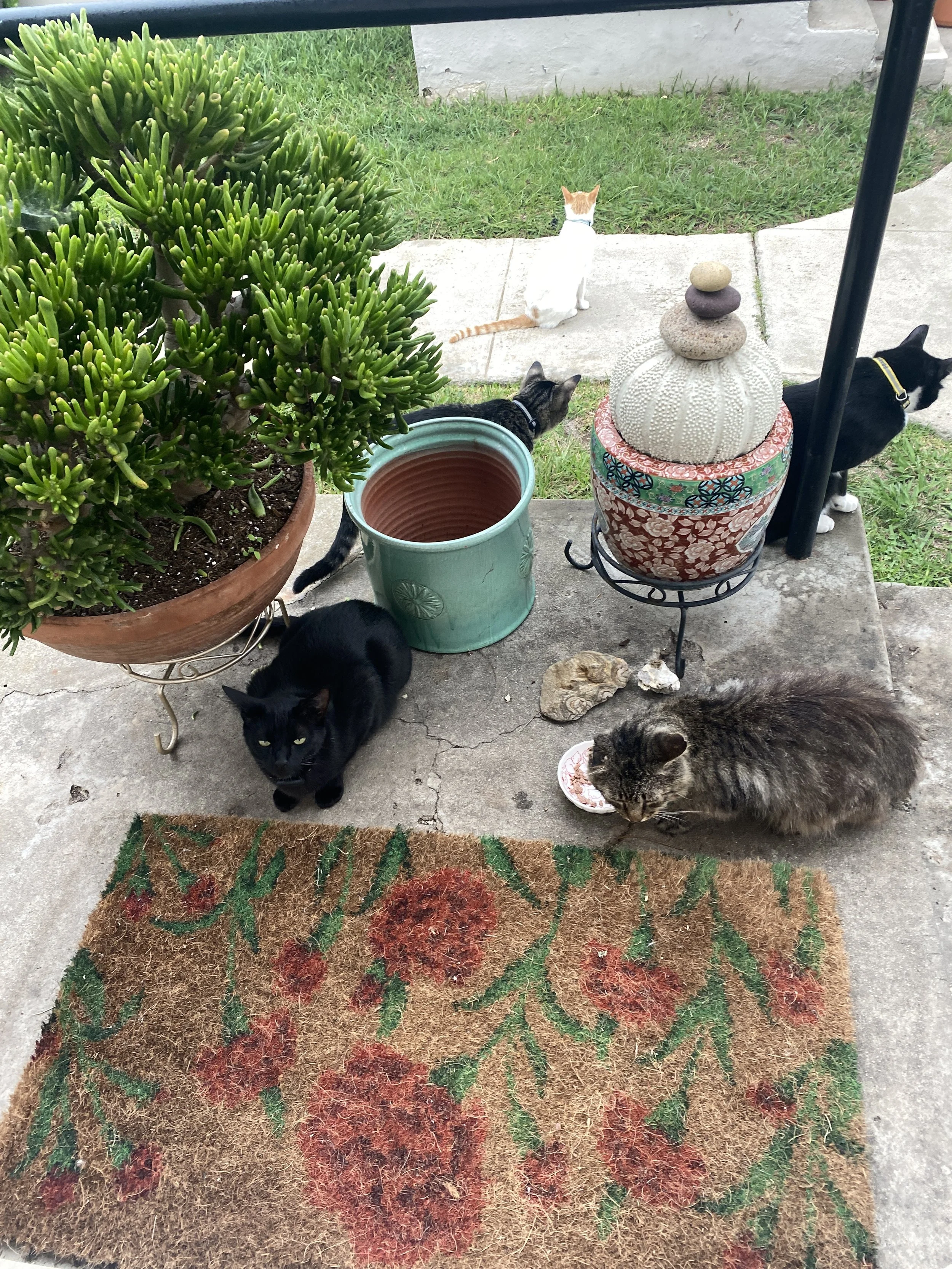
For years, I fed Walter sporadically. A thin, slightly bedraggled cat would show up at my door every few evenings looking for a meal. I would leave food on the porch and go back inside to give him some privacy. Occasionally, I'd spot him during the day, lying in the grass or watching butterflies on my back lawn, but daytime appearances were rare. He would hang out with my resident cats, but he and I didn't have much of a relationship beyond me serving him meals. From 2019 - 2023 this was the pattern.
And then one day, on a random Tuesday in 2023, everything changed.
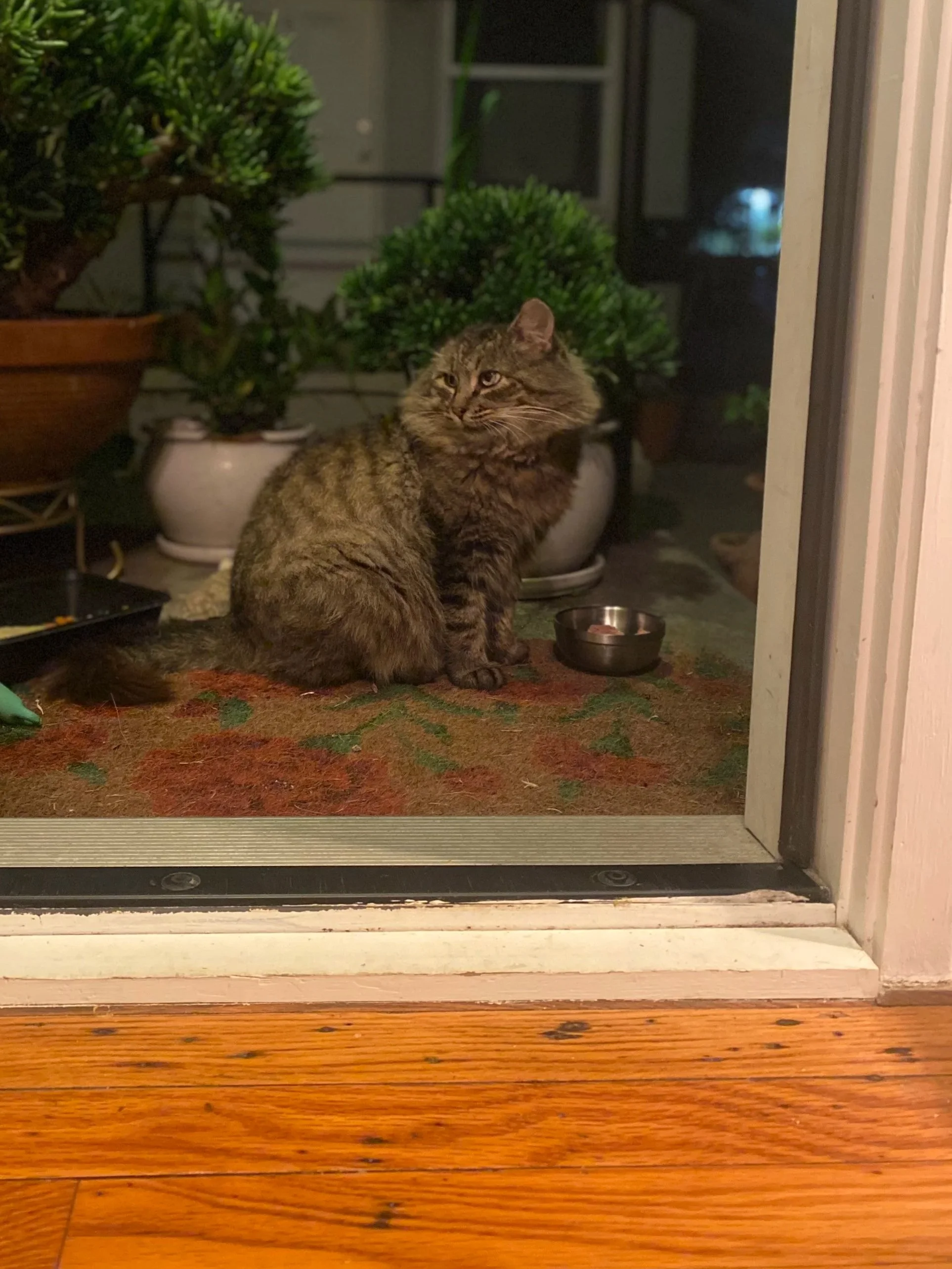
I opened my front door to find my sweet, bedraggled neighborhood stray sitting on my welcome mat at the unusually early hour of 11 AM. He was drooling and looked worse than I'd ever seen him. He looked up at me and let out a weak little squeak.
I didn't hesitate to reach down and pick him up. To my surprise, he let me.
He was clearly asking for help, but I had no idea what was wrong.
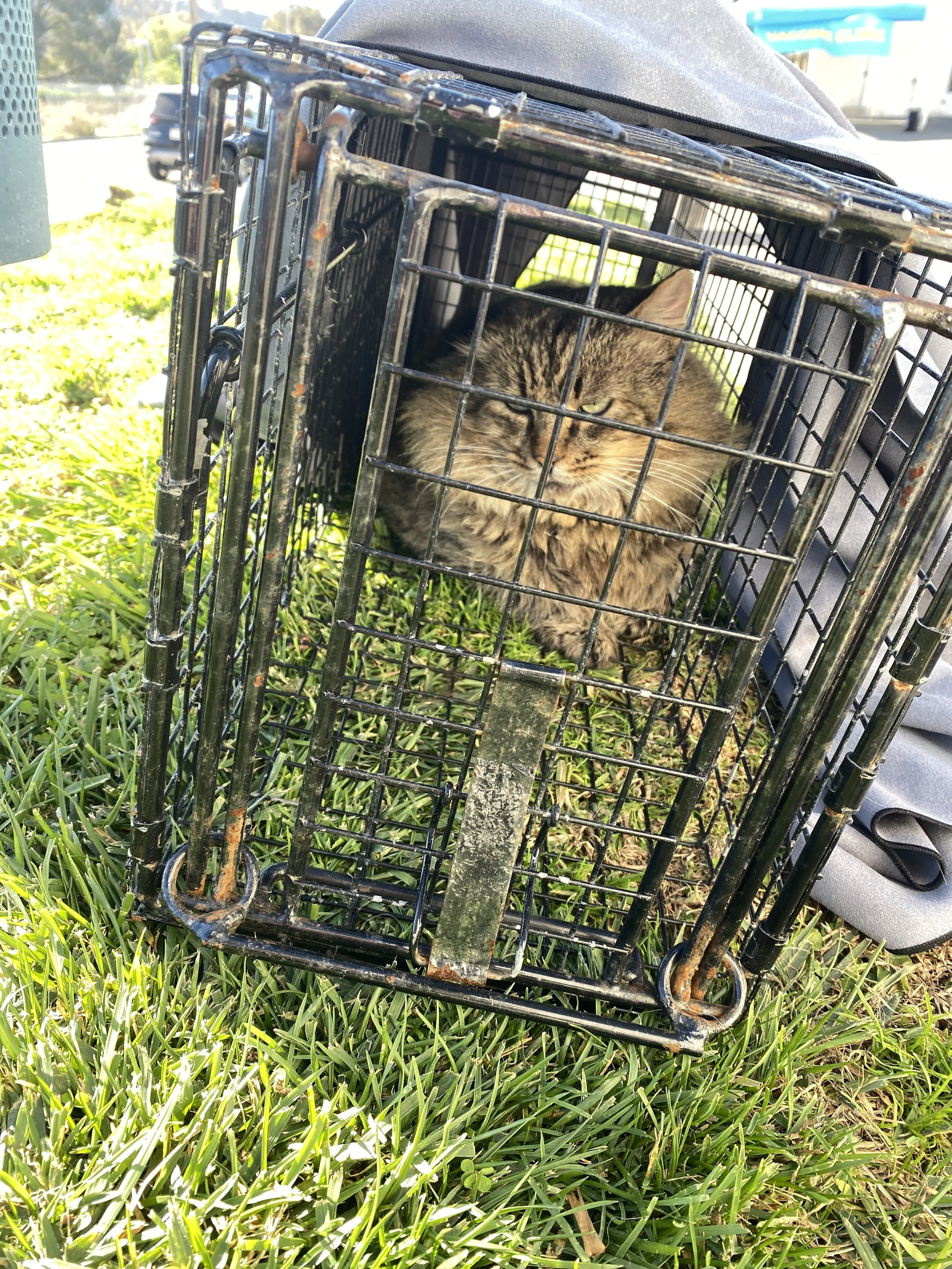
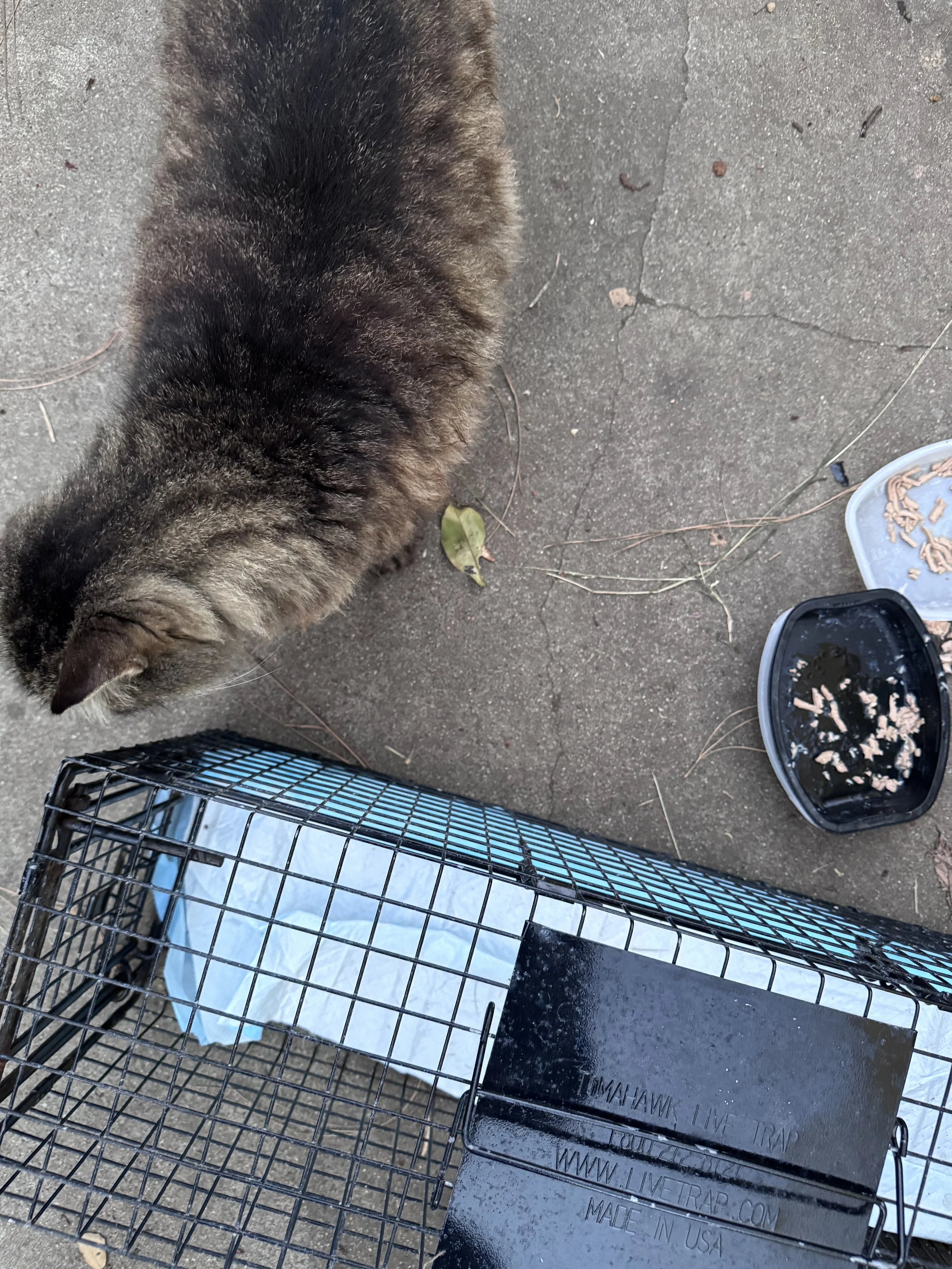
I decided to take him to our local humane society. They were nearby, and I knew they had a community cat program that might be able to provide medical care. Unsure whether they would accept him in a regular carrier, I placed him in one of my TNR traps and brought him in.
The women working the front desk were incredibly helpful, but also brutally honest. They explained that if I surrendered Walter into their care, I would relinquish all rights to him. They also warned that if he required extensive treatment, such as dental extractions and a lengthy recovery, he would be euthanized.
That wasn't an option for me.
I thanked them, gathered Walter, and headed home.
I reached out to Feral Cat Coalition by email, and thankfully, they responded promptly. Within a few days, Walter had an appointment for a neuter and medical evaluation.
Now came another challenge: where was I going to keep him until his appointment?
My home is small, with no spare rooms, so I set Walter up in the largest crate I had. I worried he would react badly to being confined, but to my surprise, he didn't. He spent most of his time sleeping, likely a combination of feeling absolutely terrible and finally having somewhere safe to rest.
After Walter's neuter, the clinic delivered some difficult news.
Walter had an advanced case of feline stomatitis.
Feline stomatitis, also known as feline gingivostomatitis, is a severe and extremely painful inflammatory condition affecting the tissues inside a cat's mouth, including the gums, tongue, and sometimes the back of the throat. It's believed to result from an exaggerated immune response to dental plaque and bacteria, and it can be associated with certain viral infections like calicivirus or immune-related conditions, like FIV. Although stomatitis itself isn't contagious, some of the underlying infections associated with it can be.
Cats suffering from stomatitis may experience painful mouth ulcers, excessive drooling, foul breath, difficulty eating, and significant weight loss. Some become so uncomfortable that they stop grooming themselves, leaving their coats matted and unkempt. In advanced cases, even attempting to eat can be excruciating.
Suddenly, Walter's appearance and behavior made perfect sense. His thin frame, neglected coat, and constant drooling weren't simply the consequences of living outdoors. He had likely been suffering from tremendous pain for quite some time.
In addition to his stomatitis diagnosis, the clinic told me Walter had tested positive for FIV (Feline Immunodeficiency Virus), a slow-acting virus that weakens a cat's immune system. FIV is most commonly transmitted through deep bite wounds during fights, making unneutered outdoor cats particularly vulnerable. Given Walter's years on the streets, his diagnosis wasn't entirely surprising.
Despite its frightening name, FIV is not a death sentence. The virus is specific to cats and cannot infect humans or dogs. It also isn't spread through ordinary contact like sharing food bowls, grooming, or snuggling. With proper veterinary care and a safe indoor environment, many FIV-positive cats live long, happy lives.
The clinic explained that Walter would need extensive dental surgery, most likely involving the removal of nearly all his teeth. Although it sounds drastic, removing the teeth can significantly reduce the inflammation and pain associated with stomatitis, and for many cats, it's the most effective treatment.
They offered to put Walter on their dental surgery waitlist but warned that it could be weeks before an appointment became available. They also explained that cancellations sometimes happened with very little notice. I might receive a call asking if I could bring him in the very next morning.
Their advice was to keep Walter indoors so he would be ready whenever that call came, rather than having to search the neighborhood for him.
They understood that keeping a street cat confined wasn't easy, but I promised I would do my best and asked to be contacted as soon as they had an opening.
As it turned out, I was the luckiest girl in the world. Or perhaps Walter was the luckiest cat.
We got the call within a week.
Walter underwent surgery, and thankfully, everything went well. He emerged with just three teeth remaining, and his little tongue would forever peek out in what became his signature blep smile.
But while the surgery was successful, Walter still had a long road to recovery ahead of him.
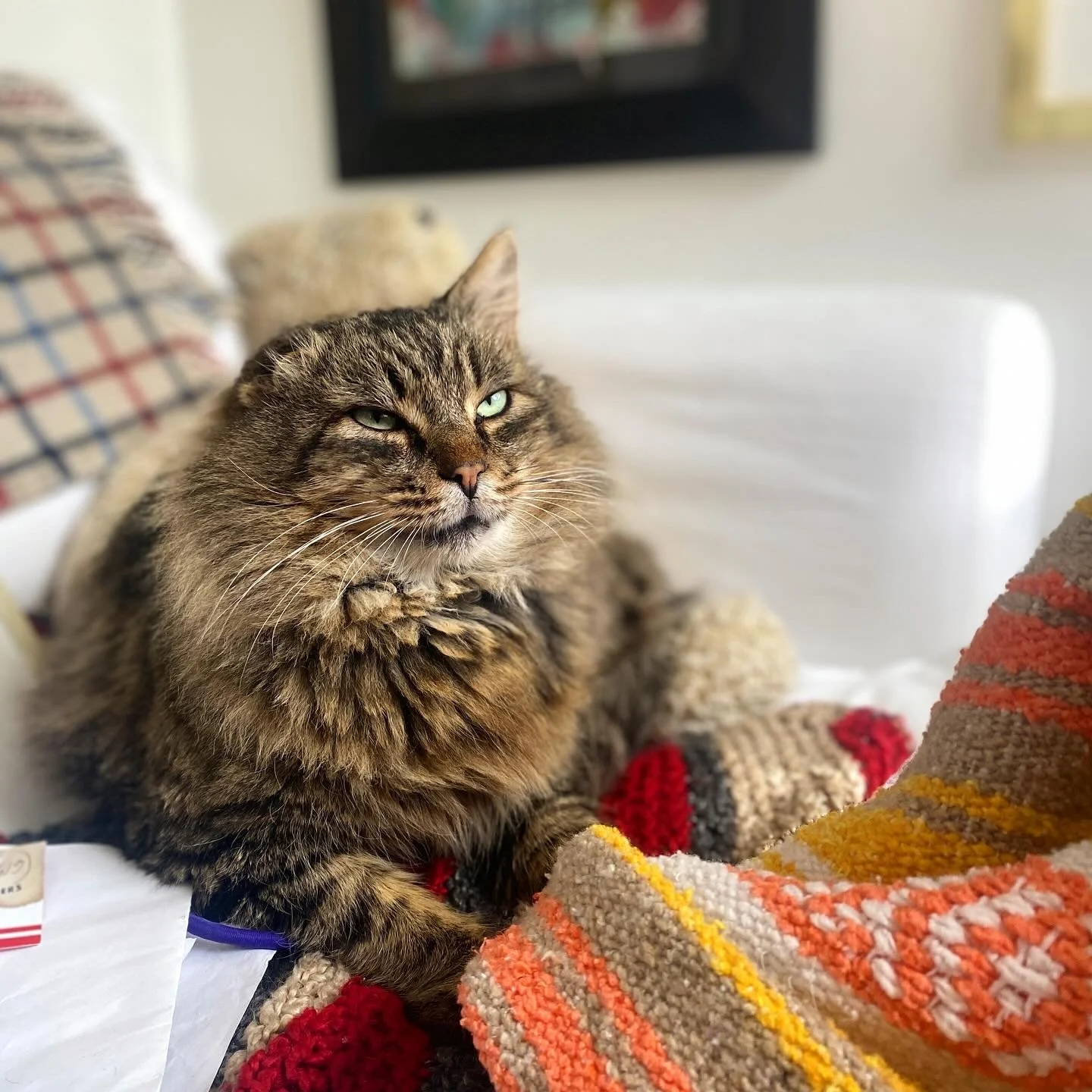
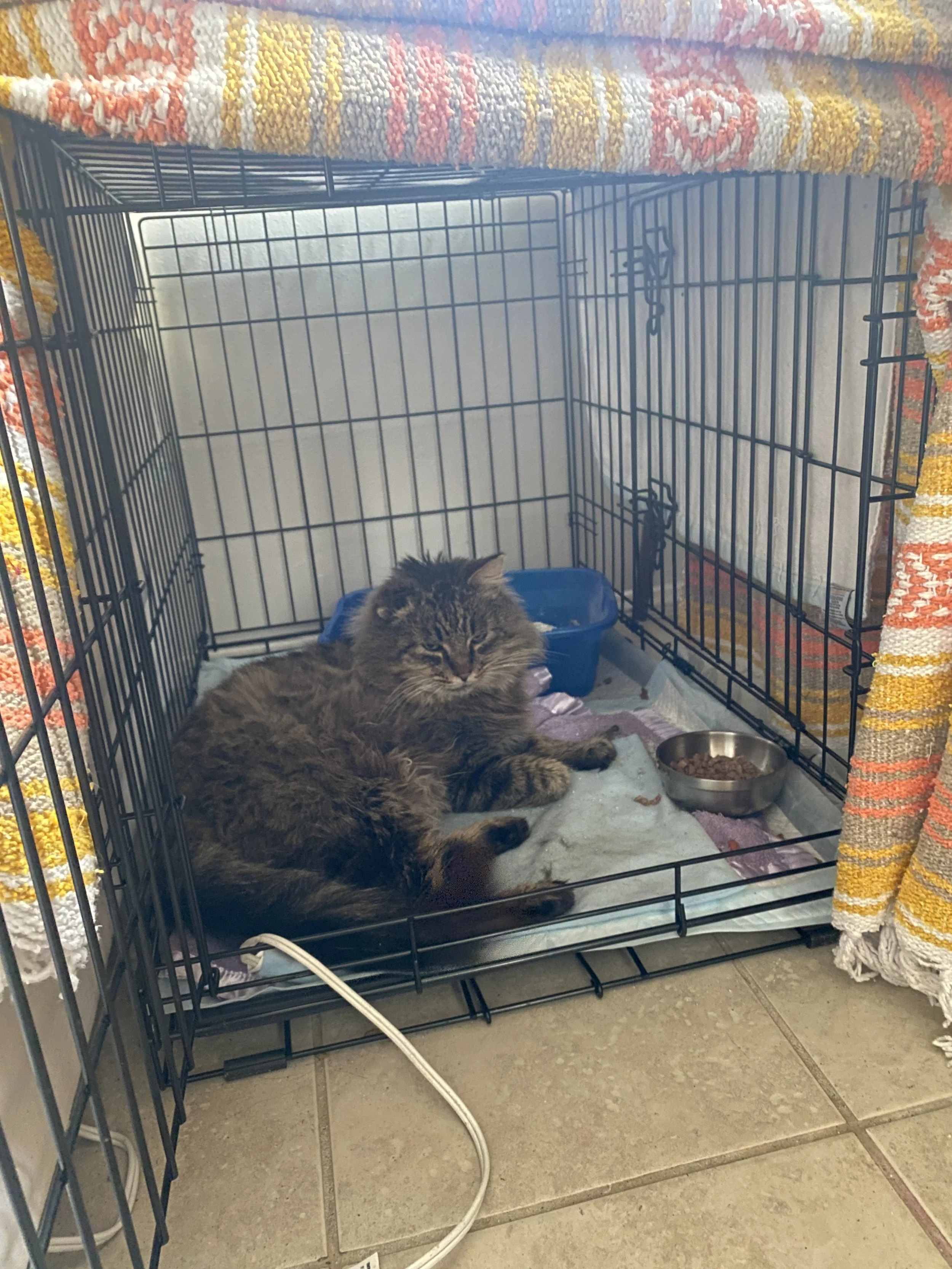
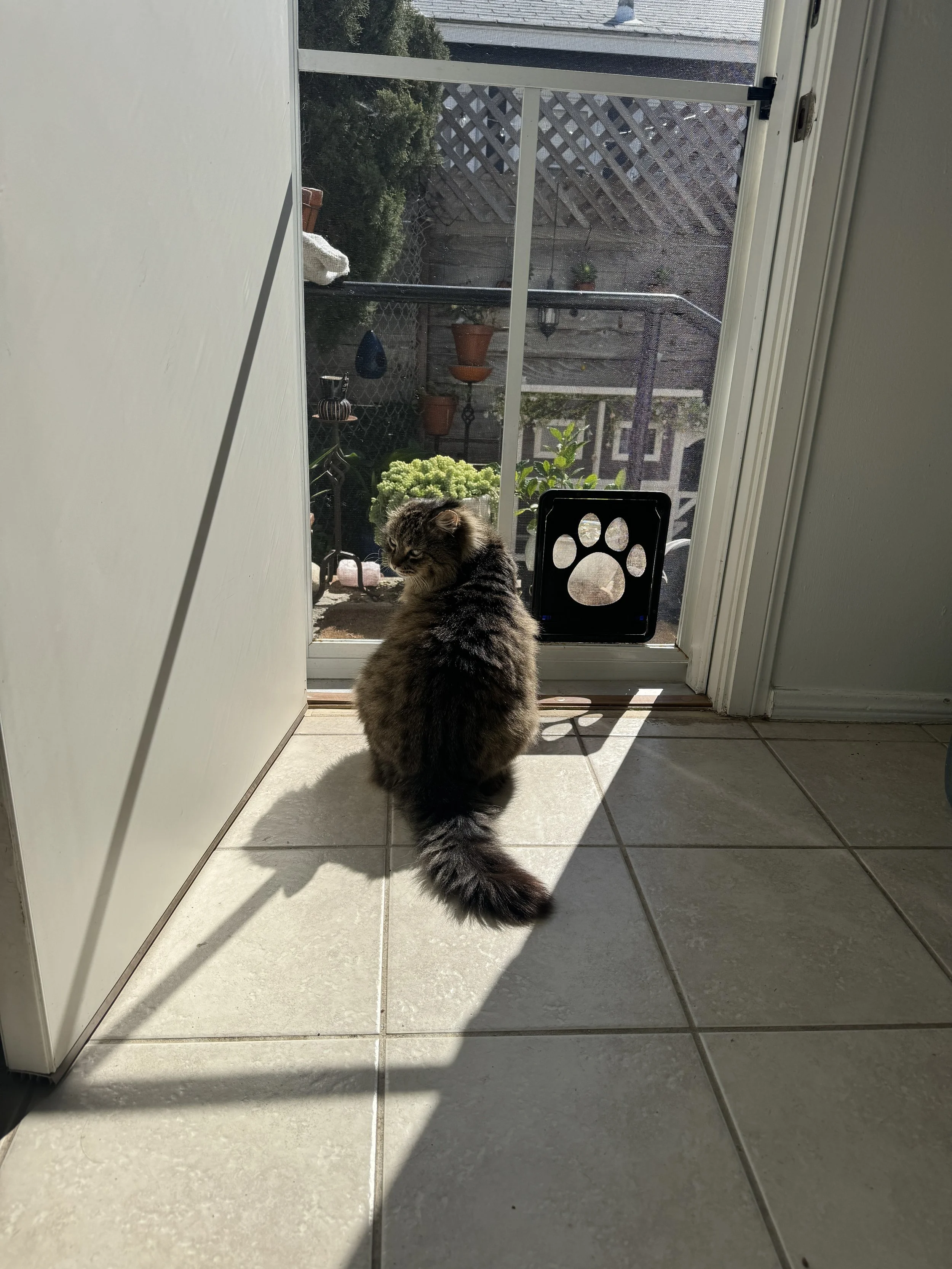
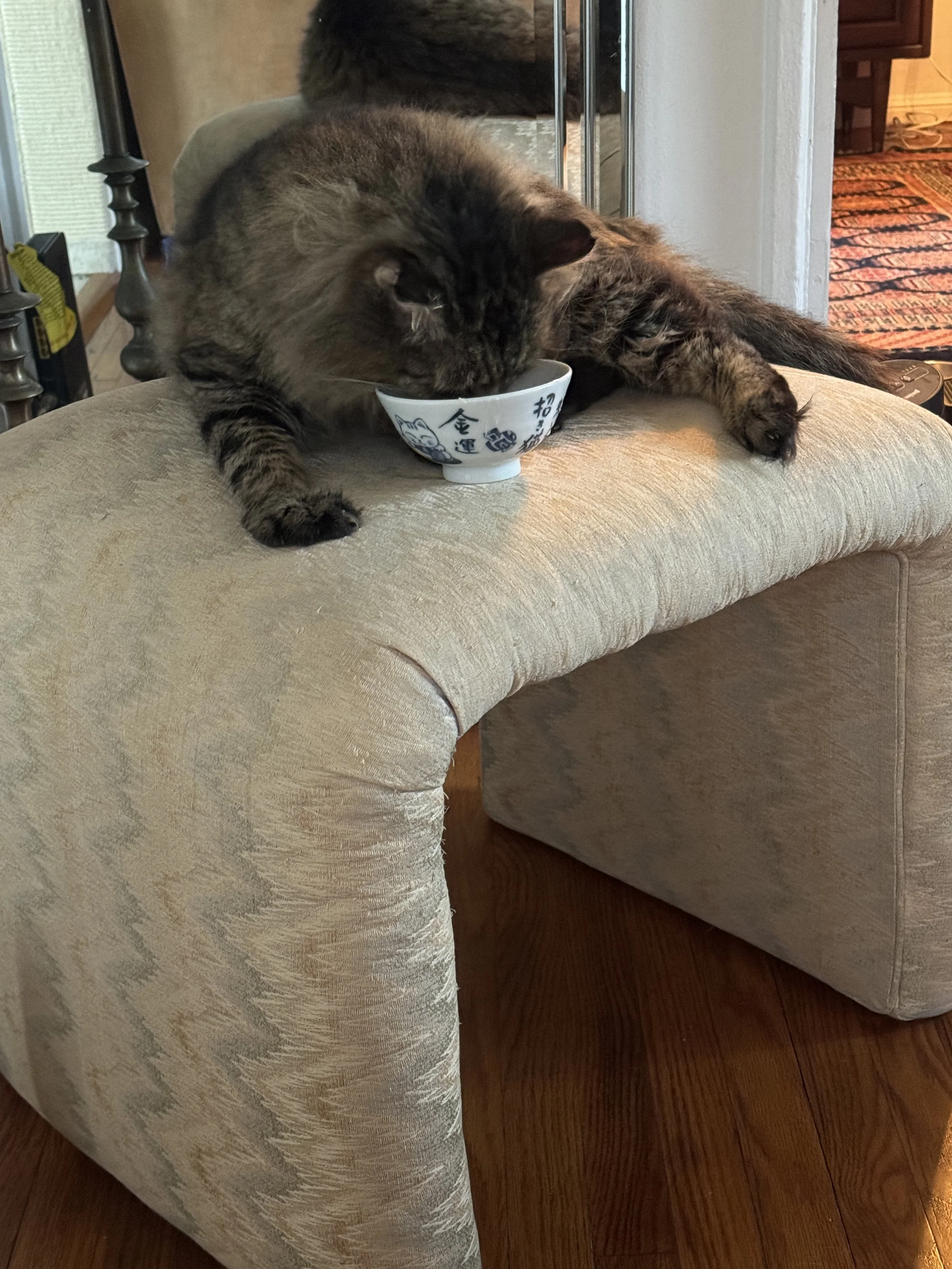
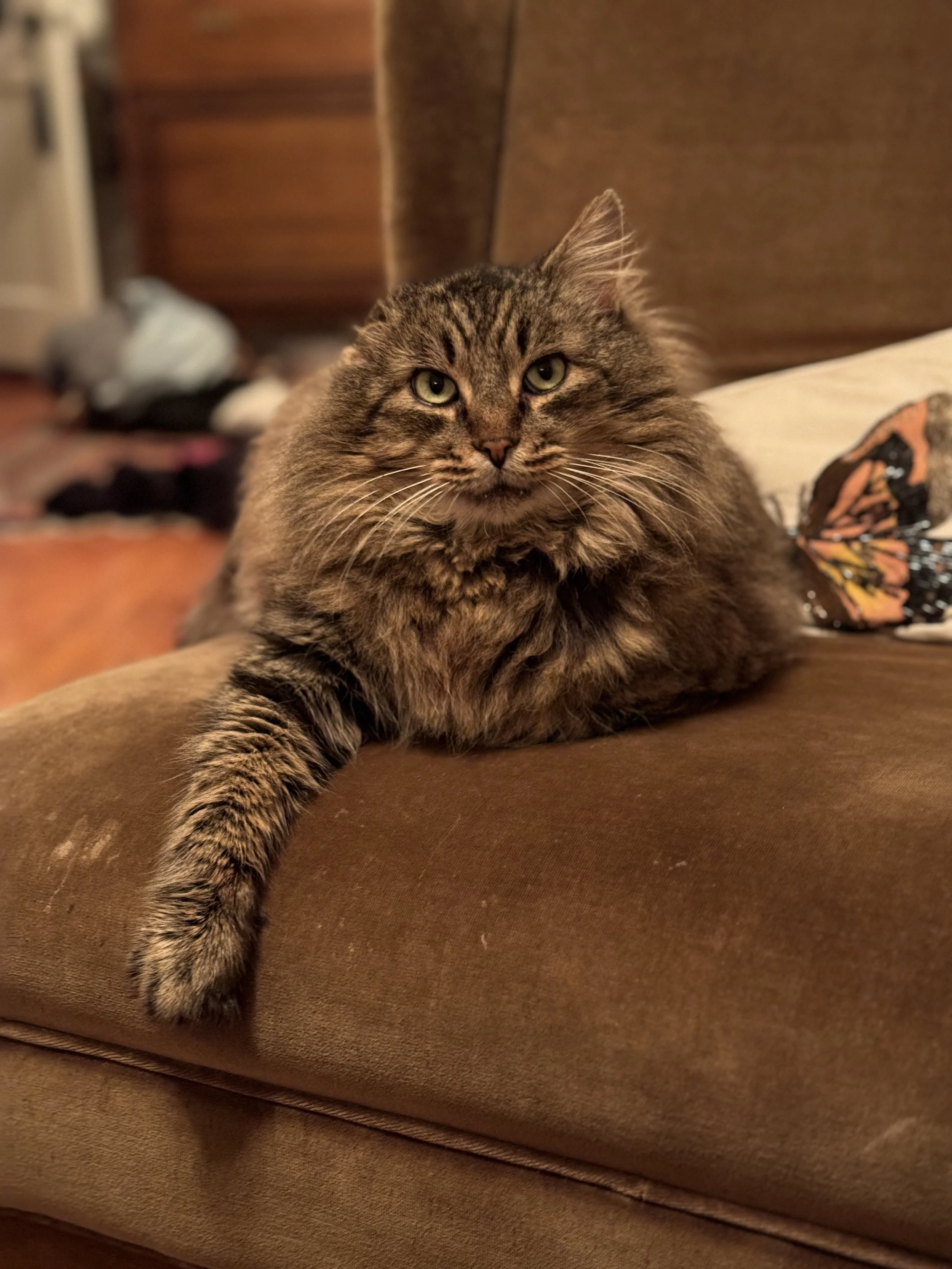
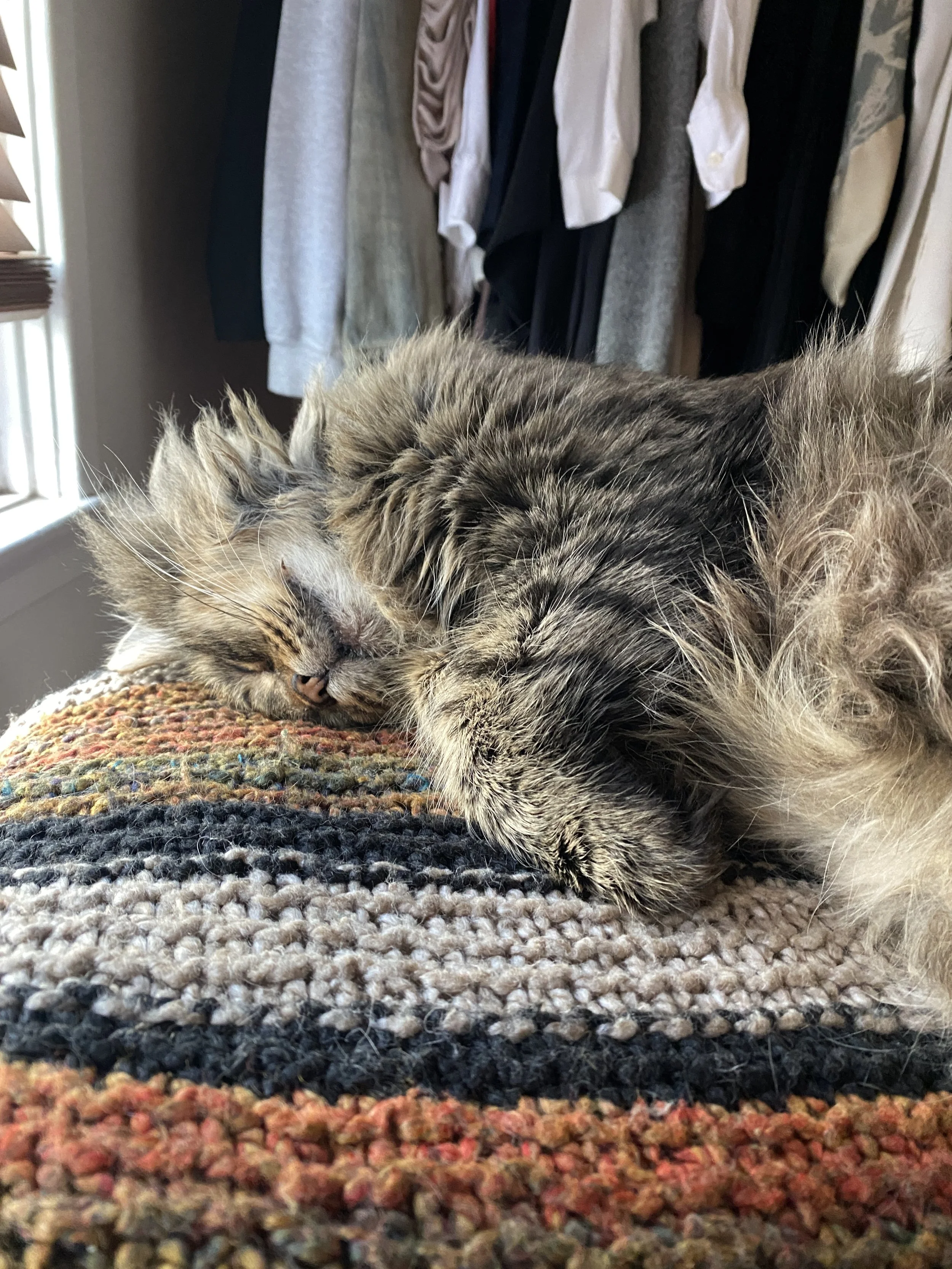
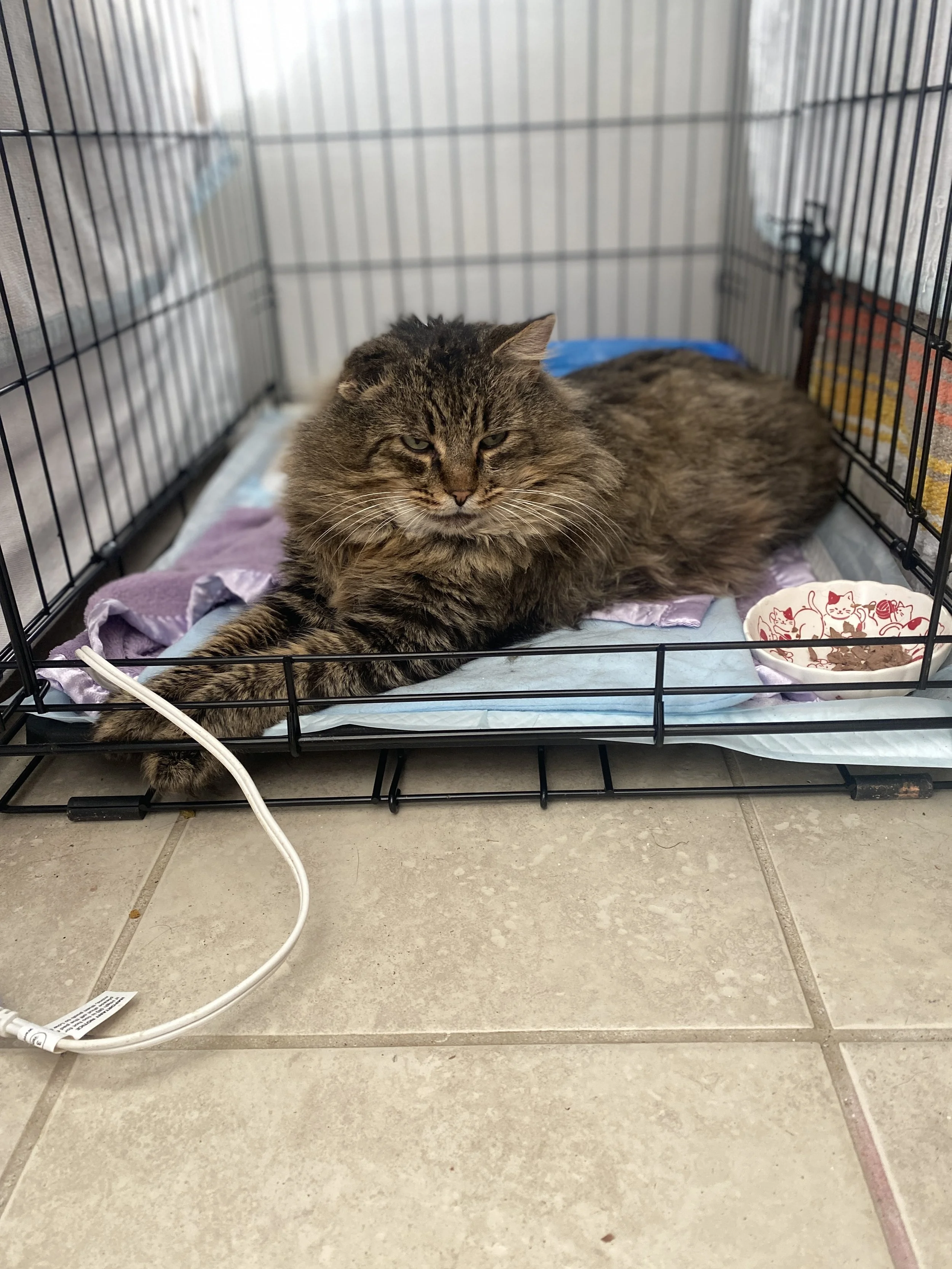
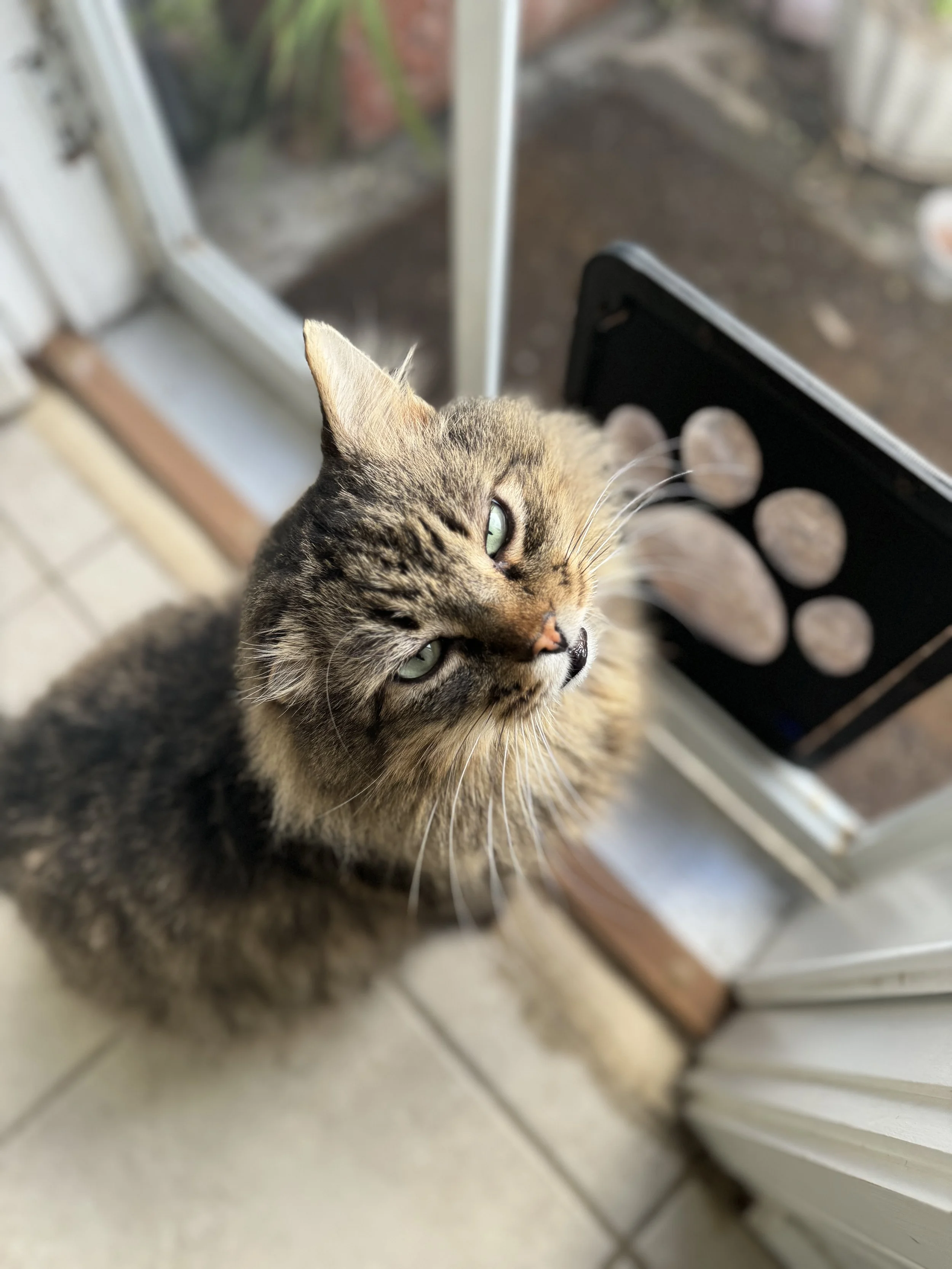
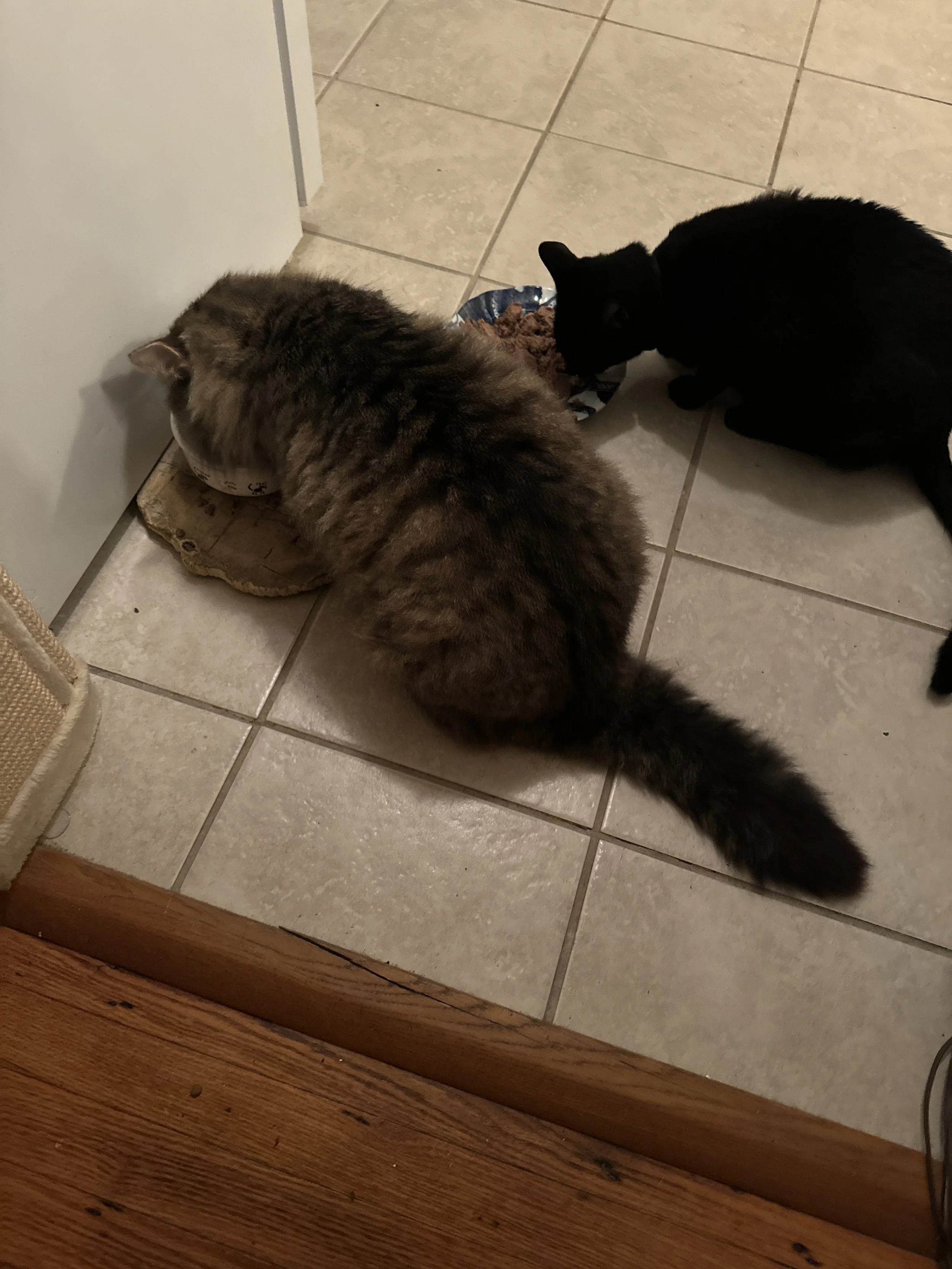
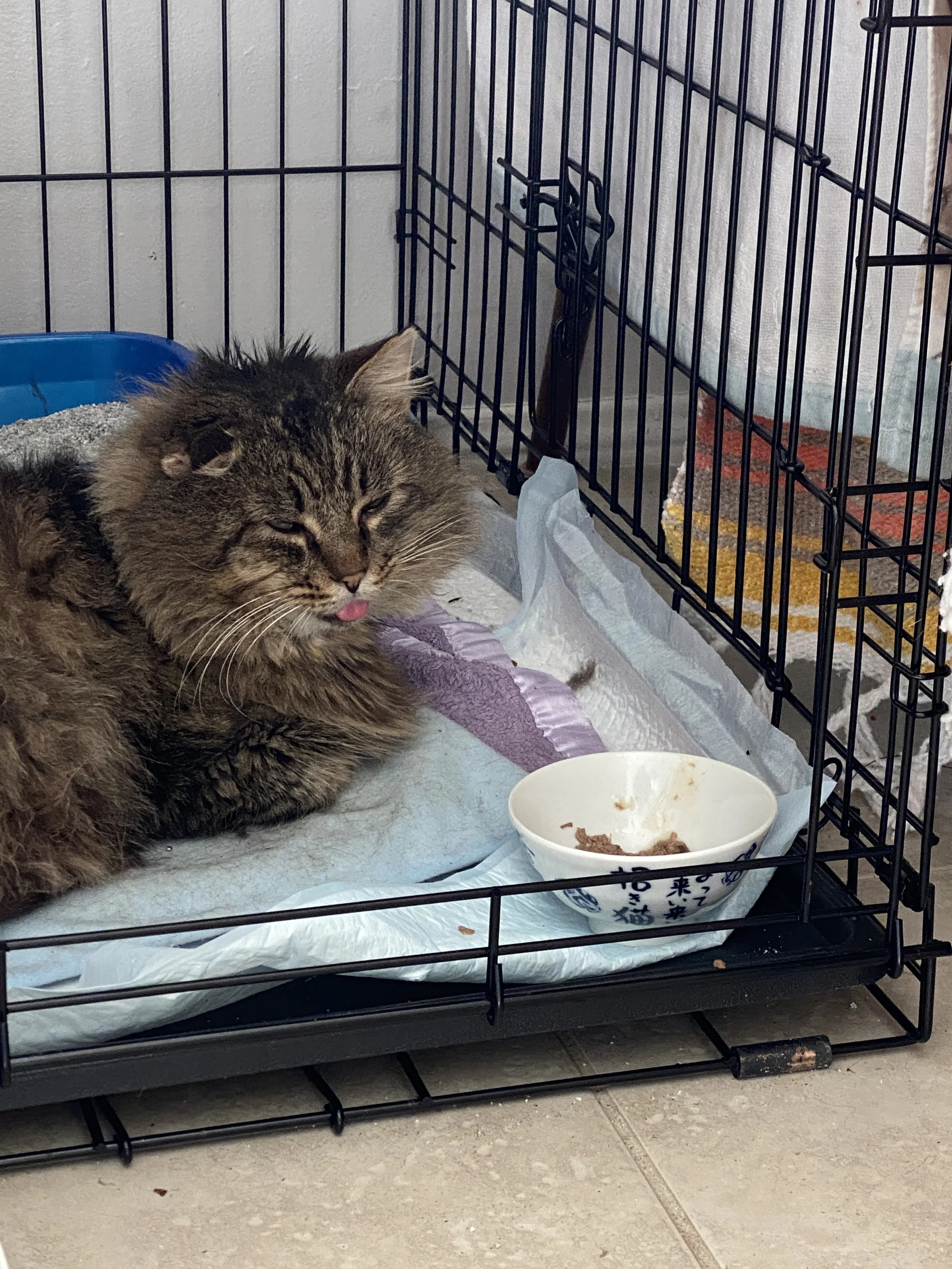
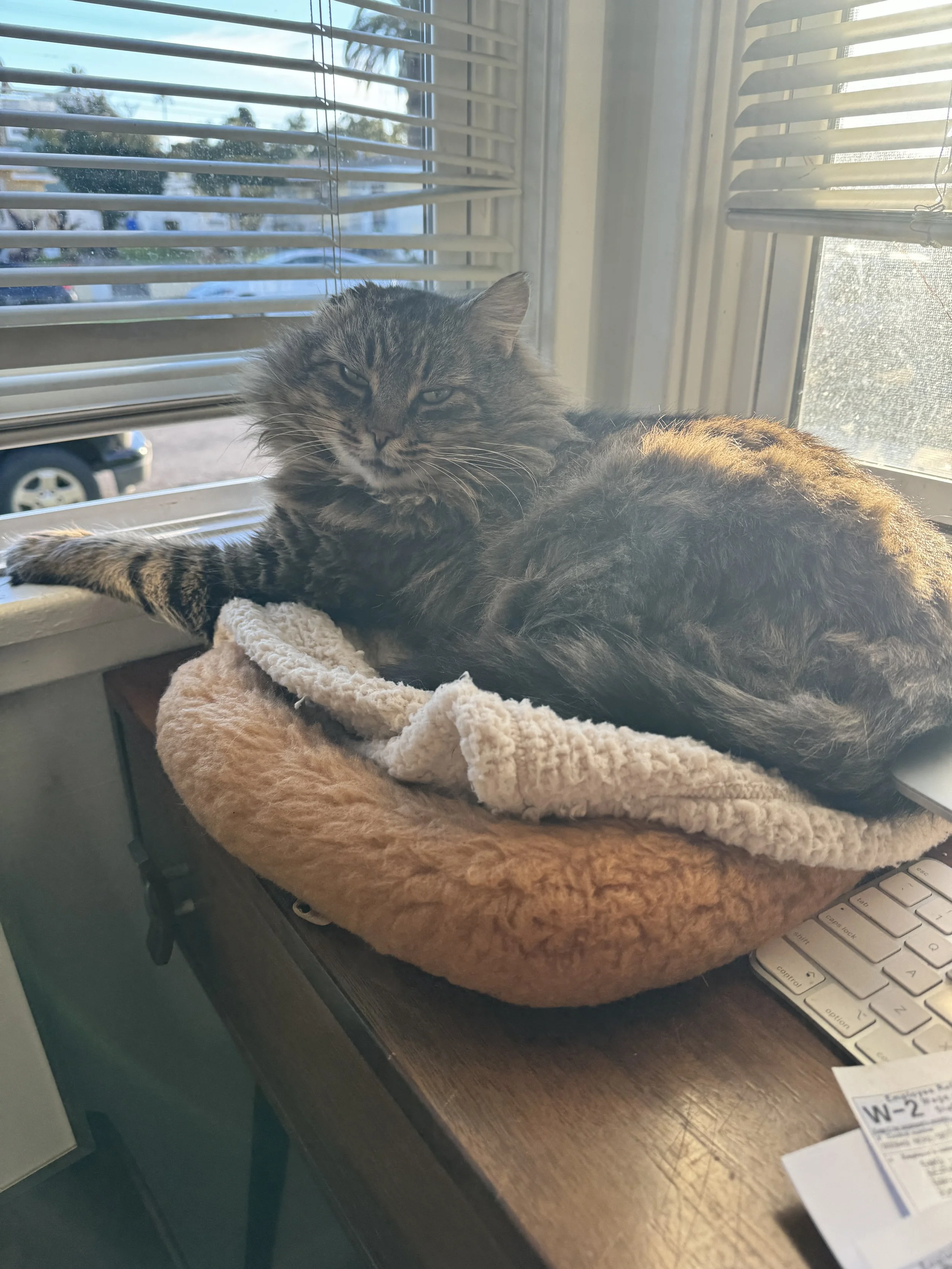
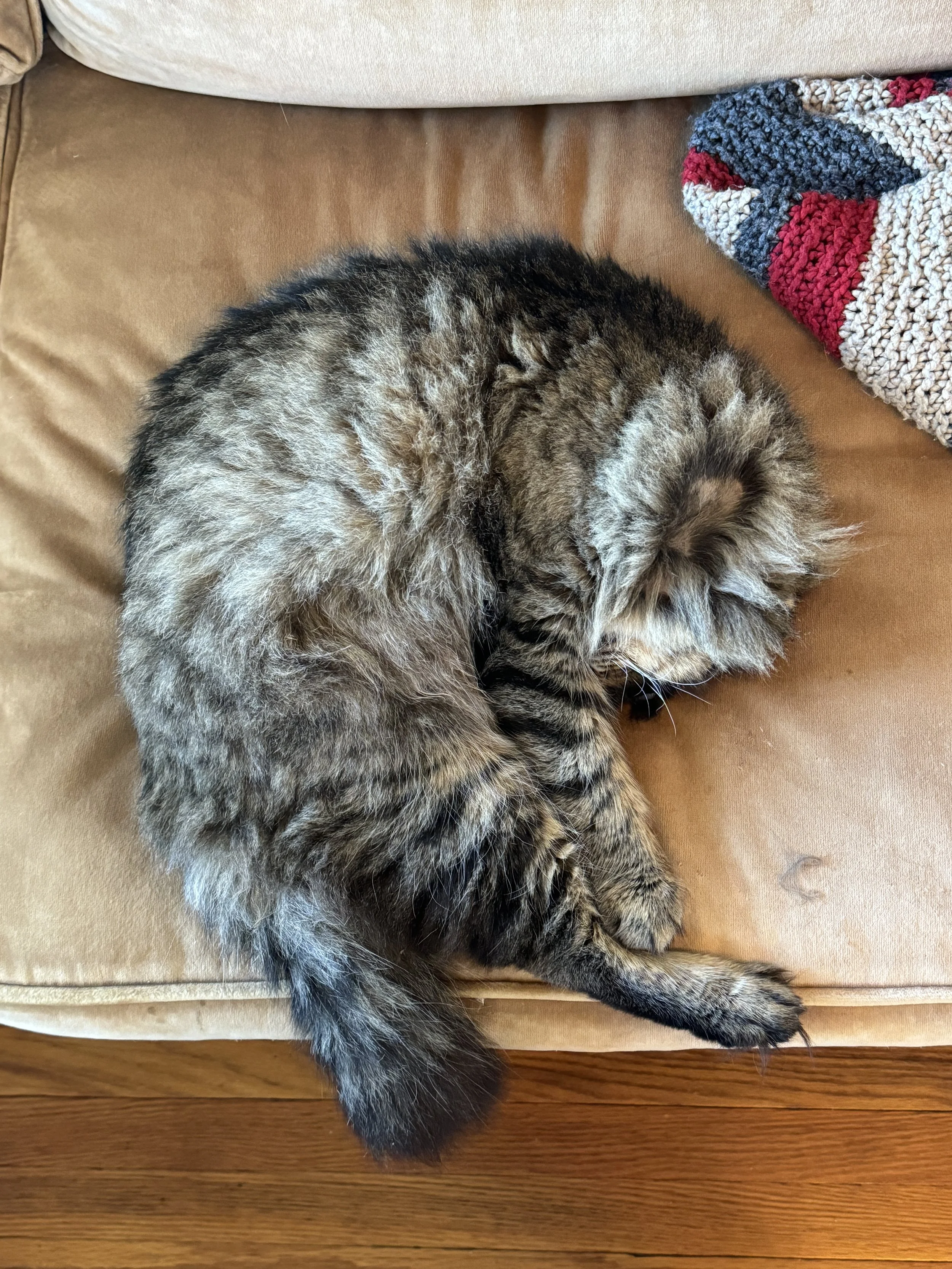
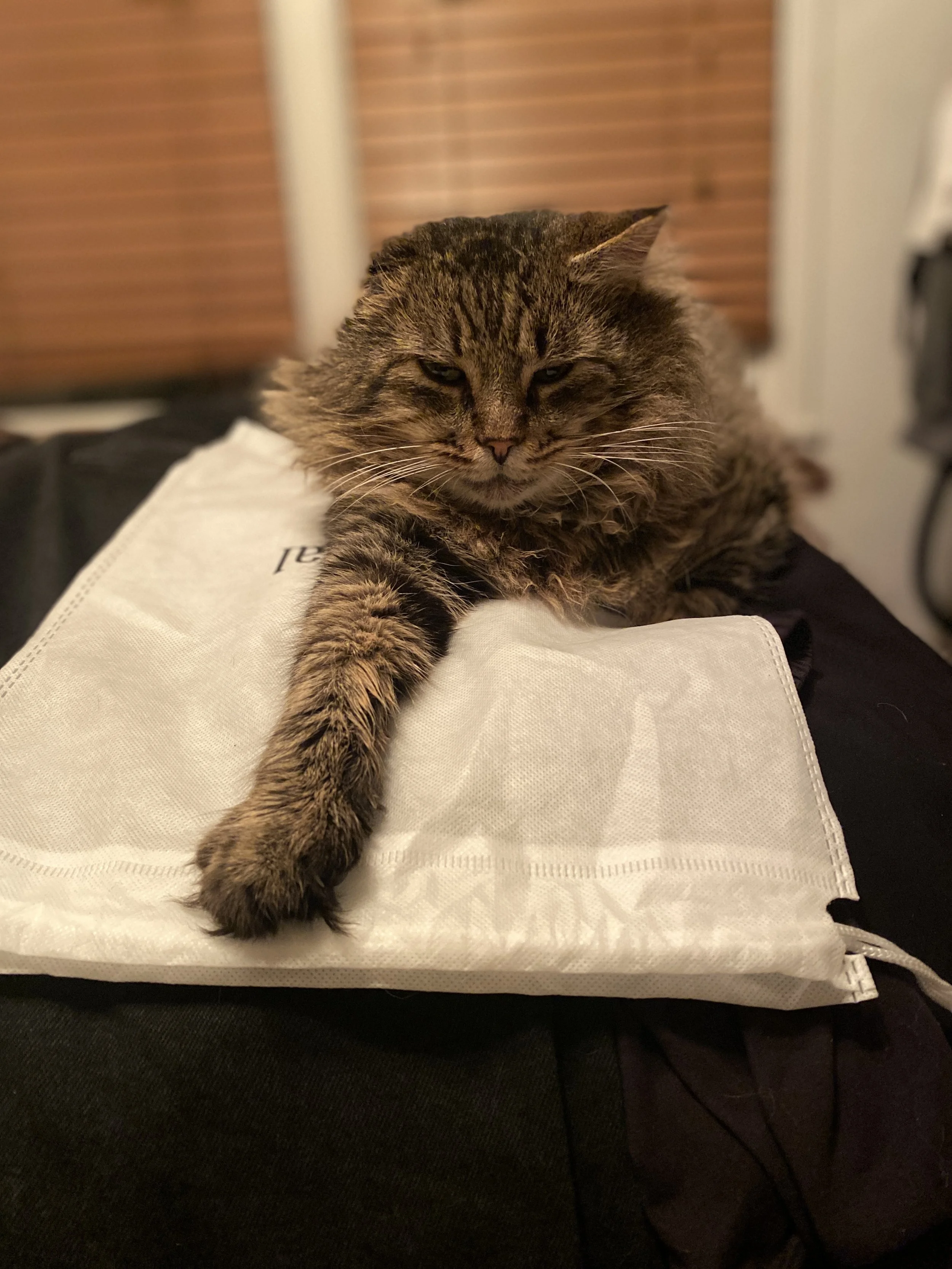
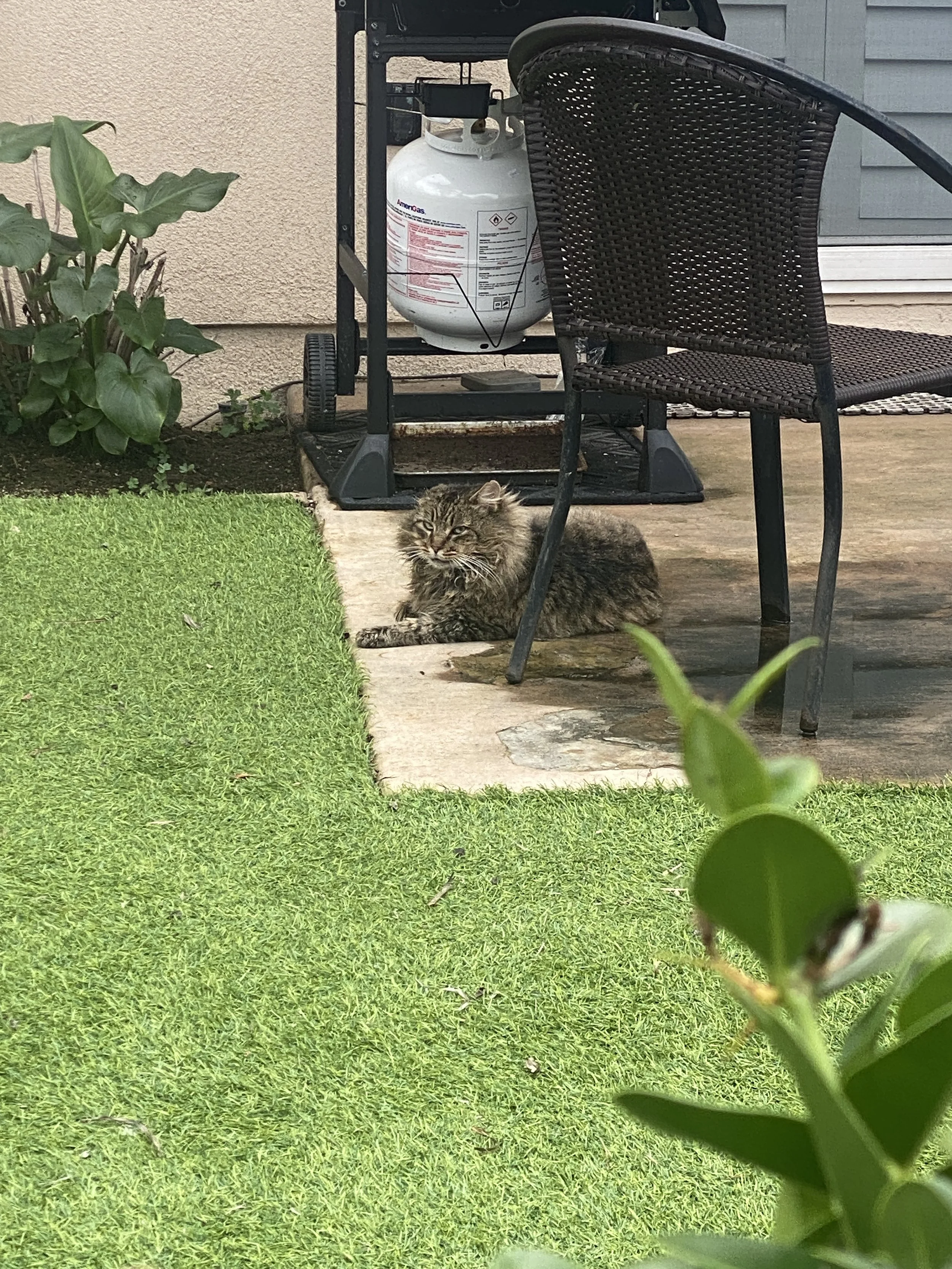
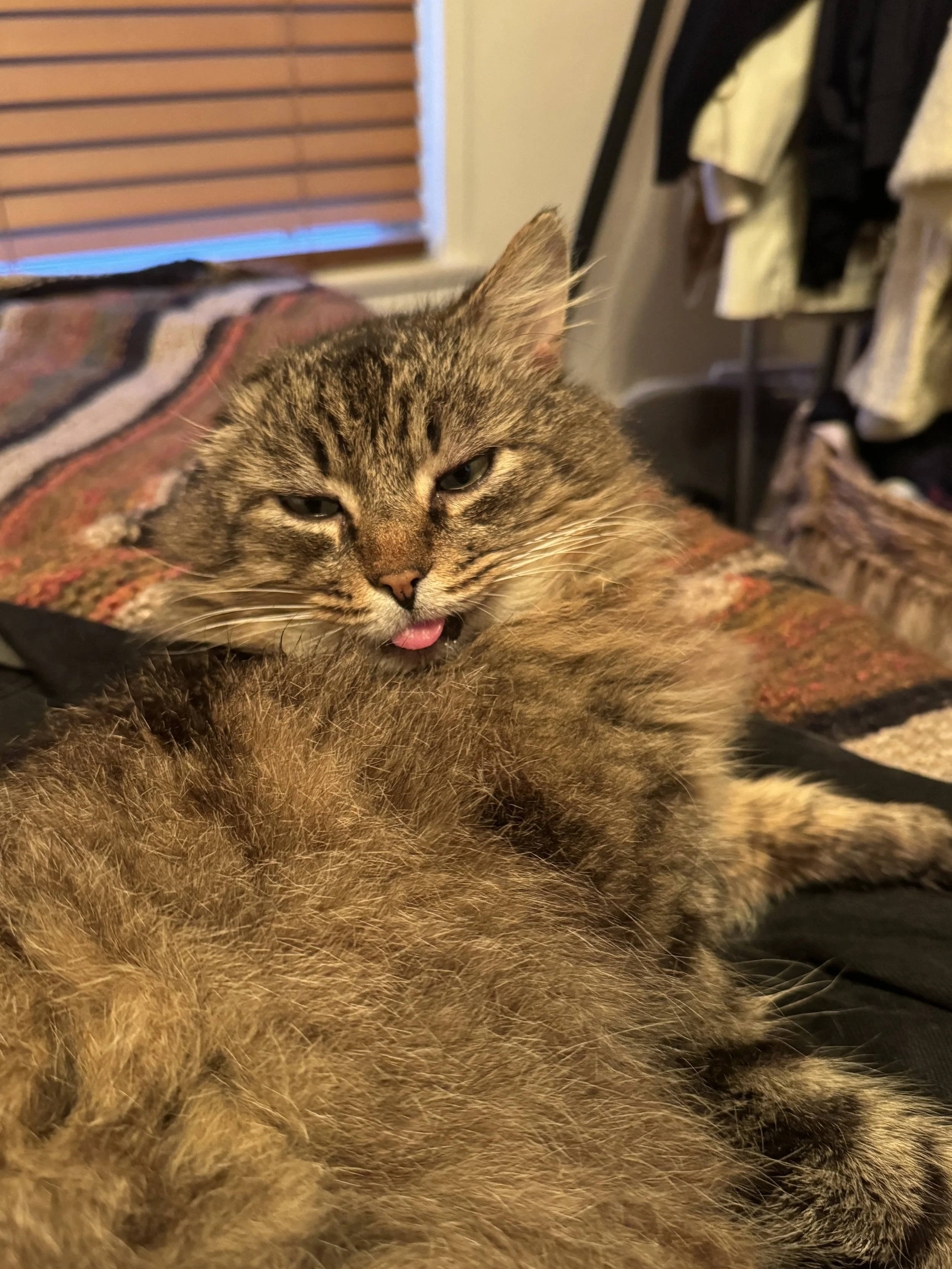
He was supposed to spend several weeks recovering inside my home, eating soft food, receiving pain medication, and resting somewhere safe while his mouth healed. There was just one problem: Walter had other plans.
Despite my best efforts to keep him inside, Walter repeatedly found ways to escape.
Once, he barricaded himself behind a gate in a neighbor's yard and refused to come out.
Another time, he managed to get himself stranded on a neighbor's elevated patio, unable to find his way down. The house was frequently used as an Airbnb and happened to be empty at the time. I knew I could retrieve him, but doing so would require scaling their fence, and I wasn't particularly interested in looking like a burglar on their carefully positioned security cameras.
After several hours of waiting for Walter to find his own way down (spoiler: he didn't), I finally located the property on Airbnb and contacted the number associated with the listing. Thankfully, the owners were incredibly gracious and gave me permission to access their patio and rescue my very determined escape artist.
And then there was the time I found myself chasing Walter across the street when a man stopped me.
"Why are you chasing that cat?!" he yelled.
"I'm not chasing him!" I replied. "He just had surgery, and he needs to be inside my house recovering!"
The man looked at me blankly.
"That's my cat," he said.
Of all the things I expected to hear, those were certainly not among them.
Walter had been living on the streets for years. He wasn't microchipped. He wasn't neutered. He had been suffering from an incredibly painful medical condition that had clearly gone untreated for quite some time.
How could this man possibly claim Walter was his cat?
"What do you mean?" I asked.
He explained that eight years earlier, he had adopted Walter as a kitten for his daughter. But Walter preferred being outdoors, so they let him roam. Eventually, he simply stopped coming home.
The man admitted he hadn't seen Walter in years.
In my opinion, this was not his cat.
Another neighbor, someone I knew casually, came outside and joined our conversation. He knew the man, whose name was Brian, and the three of us talked for a while.
Brian gave me his phone number and offered to help catch Walter so I could bring him home to recover.
Despite reaching out afterward, I never heard from him again.
It was another piece of Walter's puzzle, and another reminder of how easily animals can fall through the cracks when the humans responsible for them stop paying attention.
Eventually, I managed to catch Walter and bring him home.
But with each passing day, he grew more restless.
Finally, I came to a difficult realization. Walter was, and always had been, a savvy street cat. His mouth was healing, he was feeling better, and he wanted his freedom.
I couldn't keep fighting him.
So I fitted him with a collar, an AirTag, and my contact information, and I let him outside.
For the first time, I could see just how far Walter traveled.
I watched his location as he wandered through the neighborhood, sometimes venturing nearly a mile away. But without fail, by nightfall, he would make his way back to our block and show up for dinner.
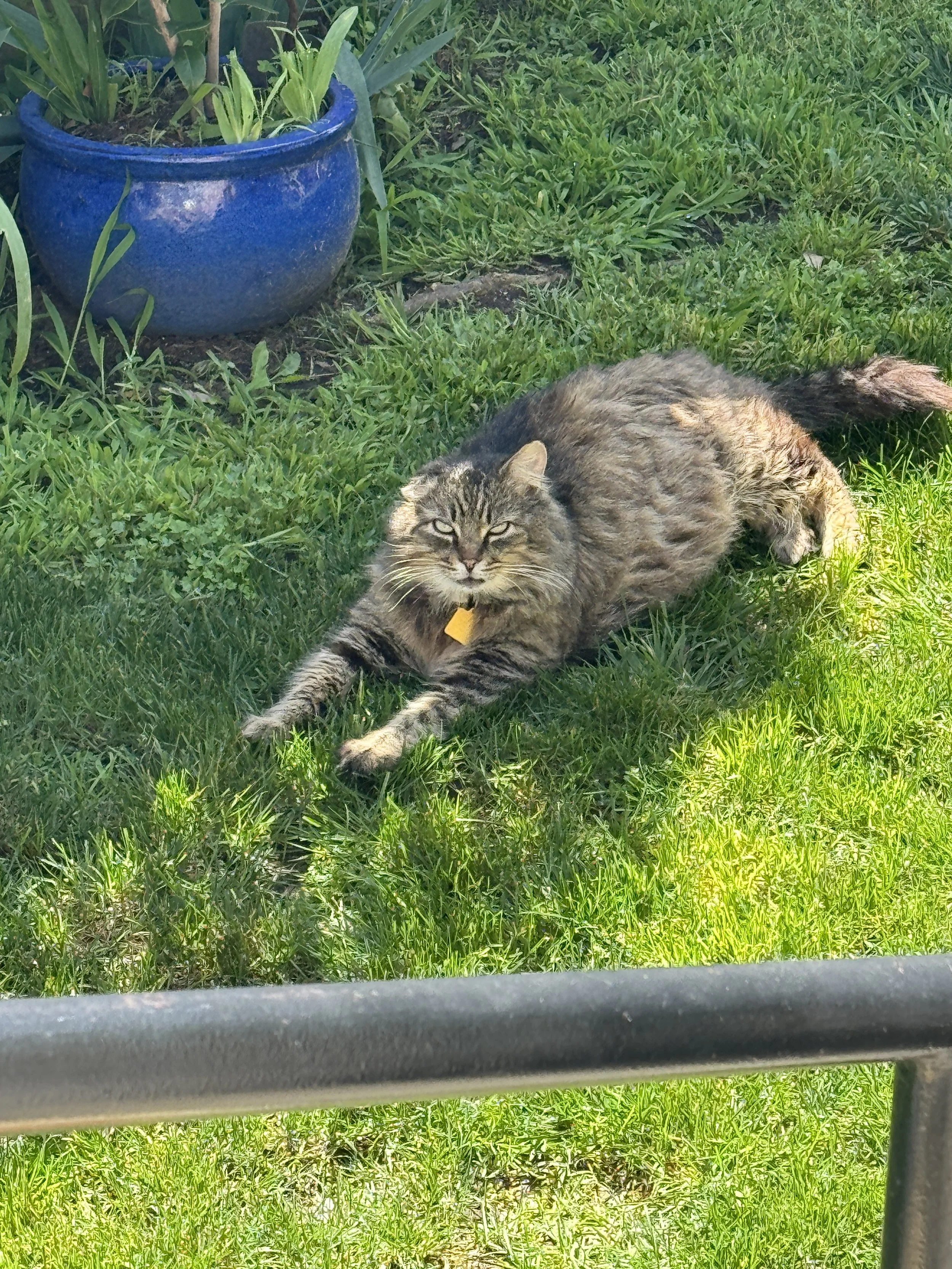
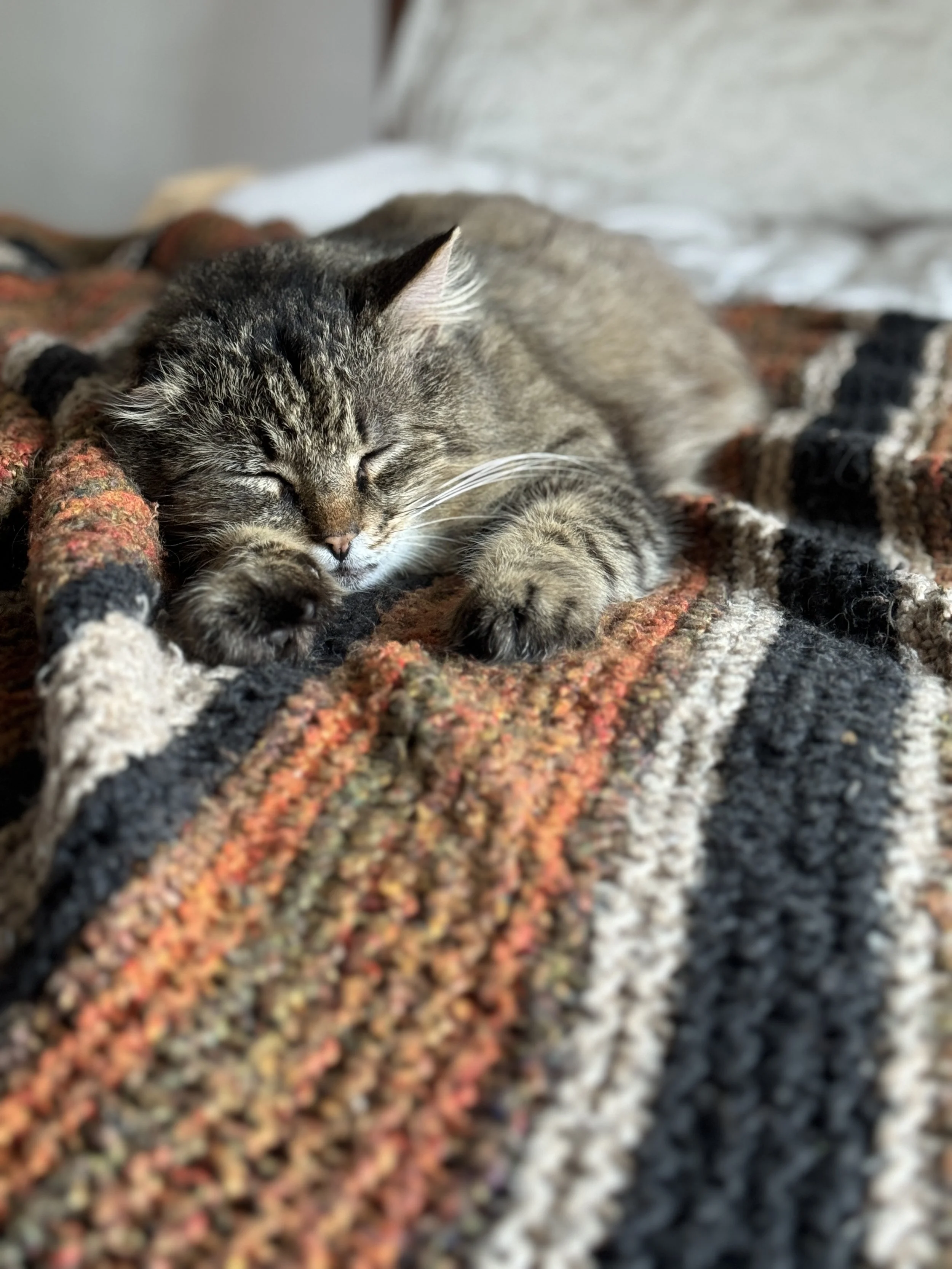
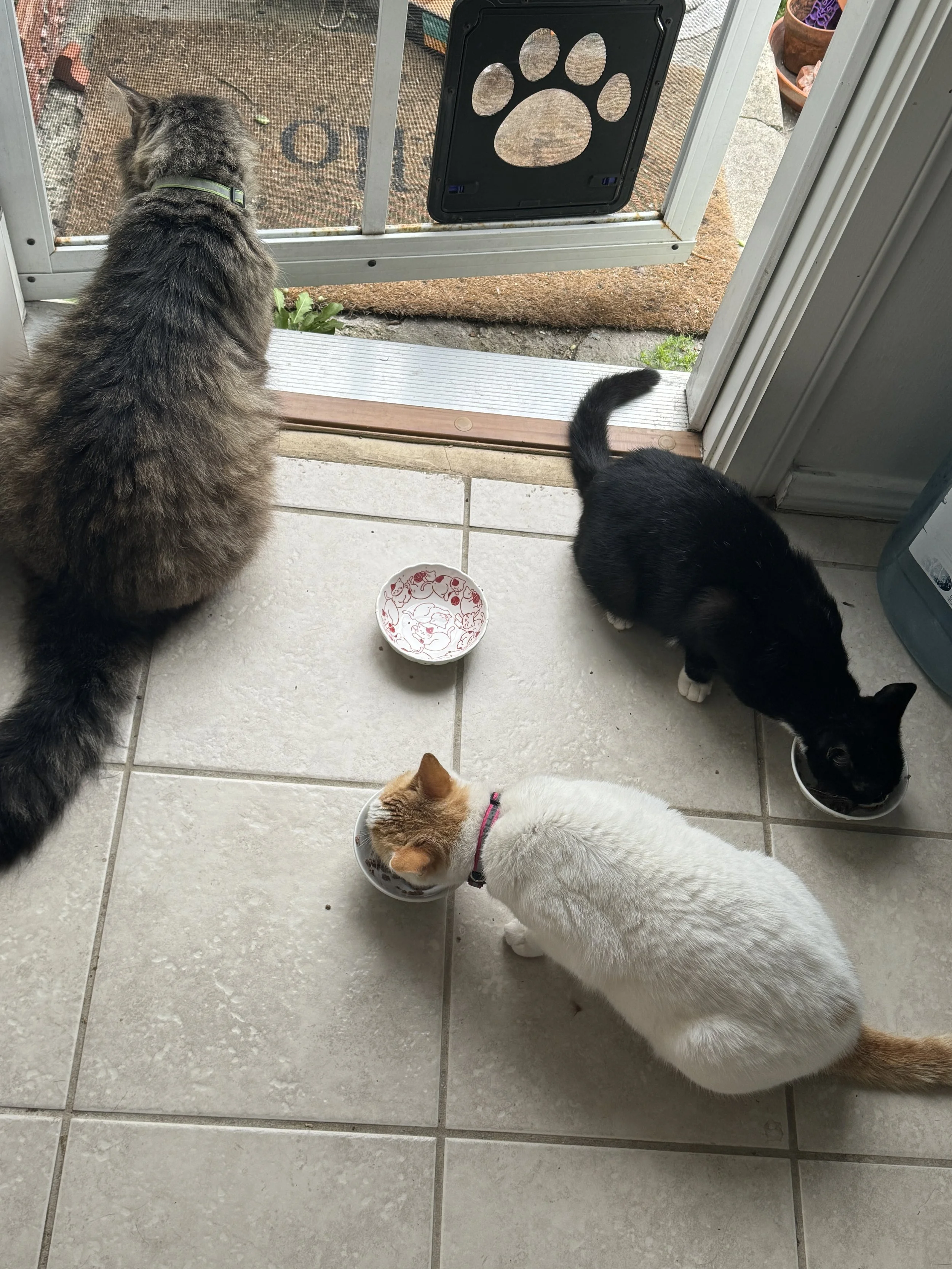
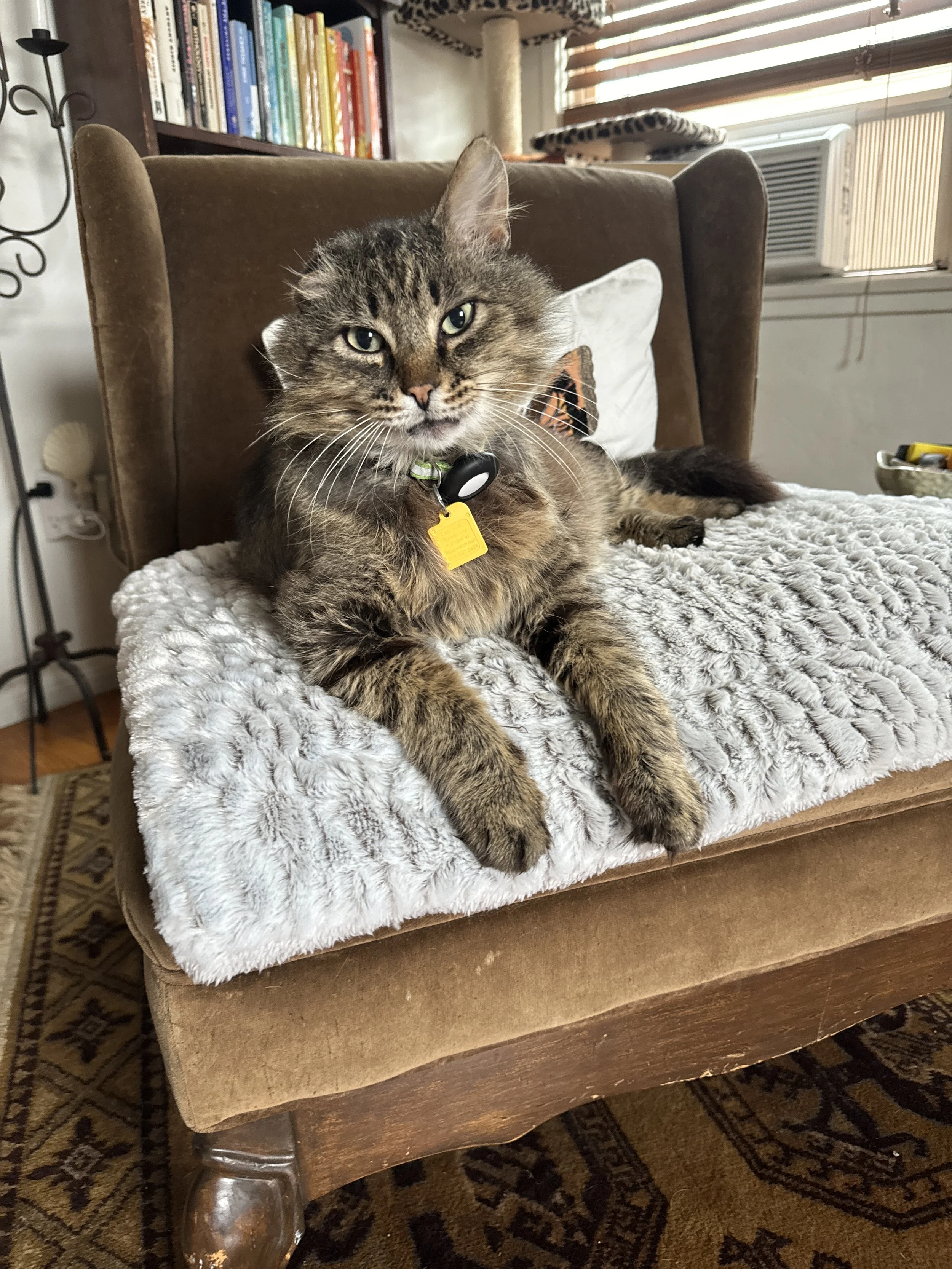
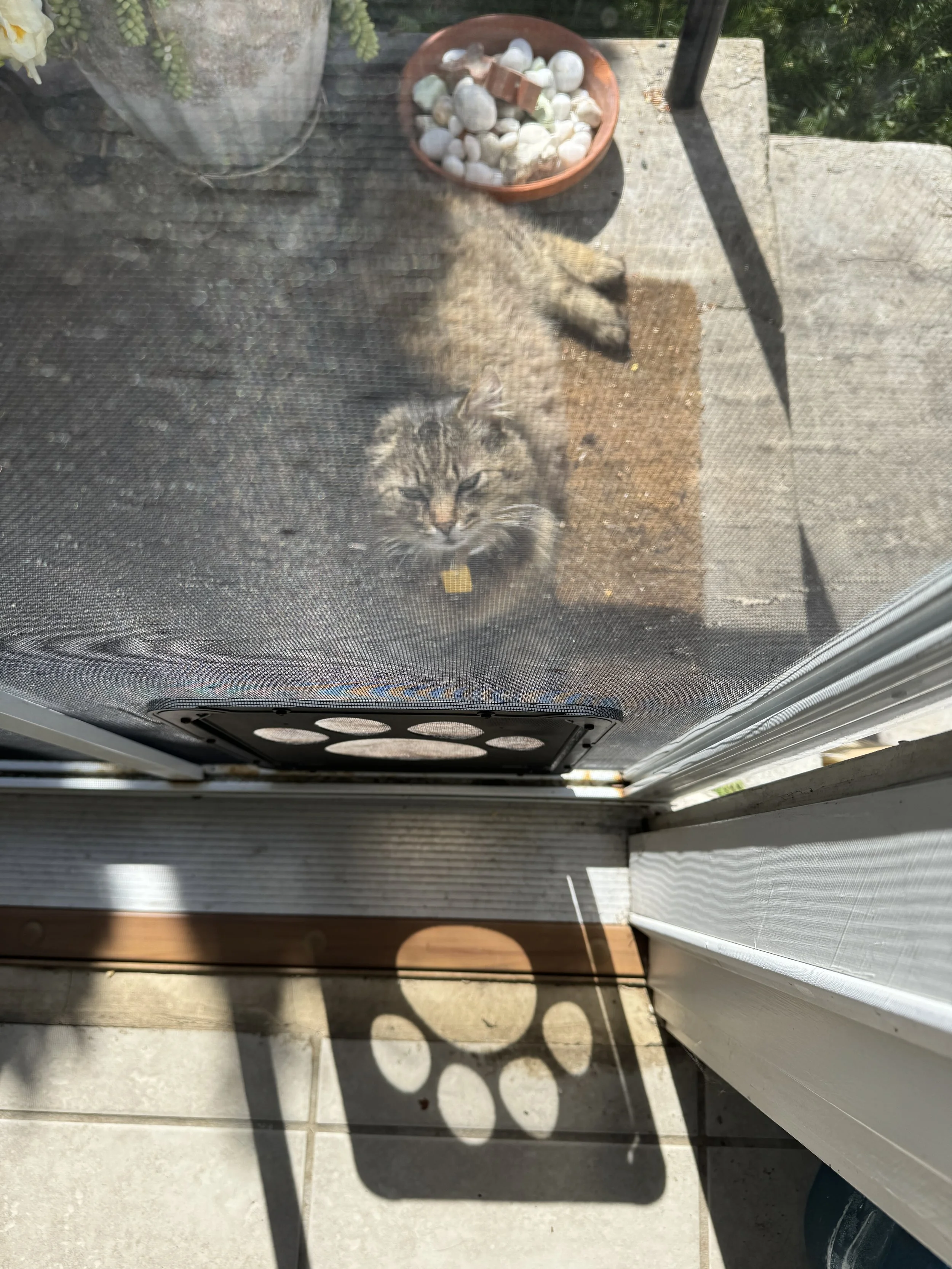
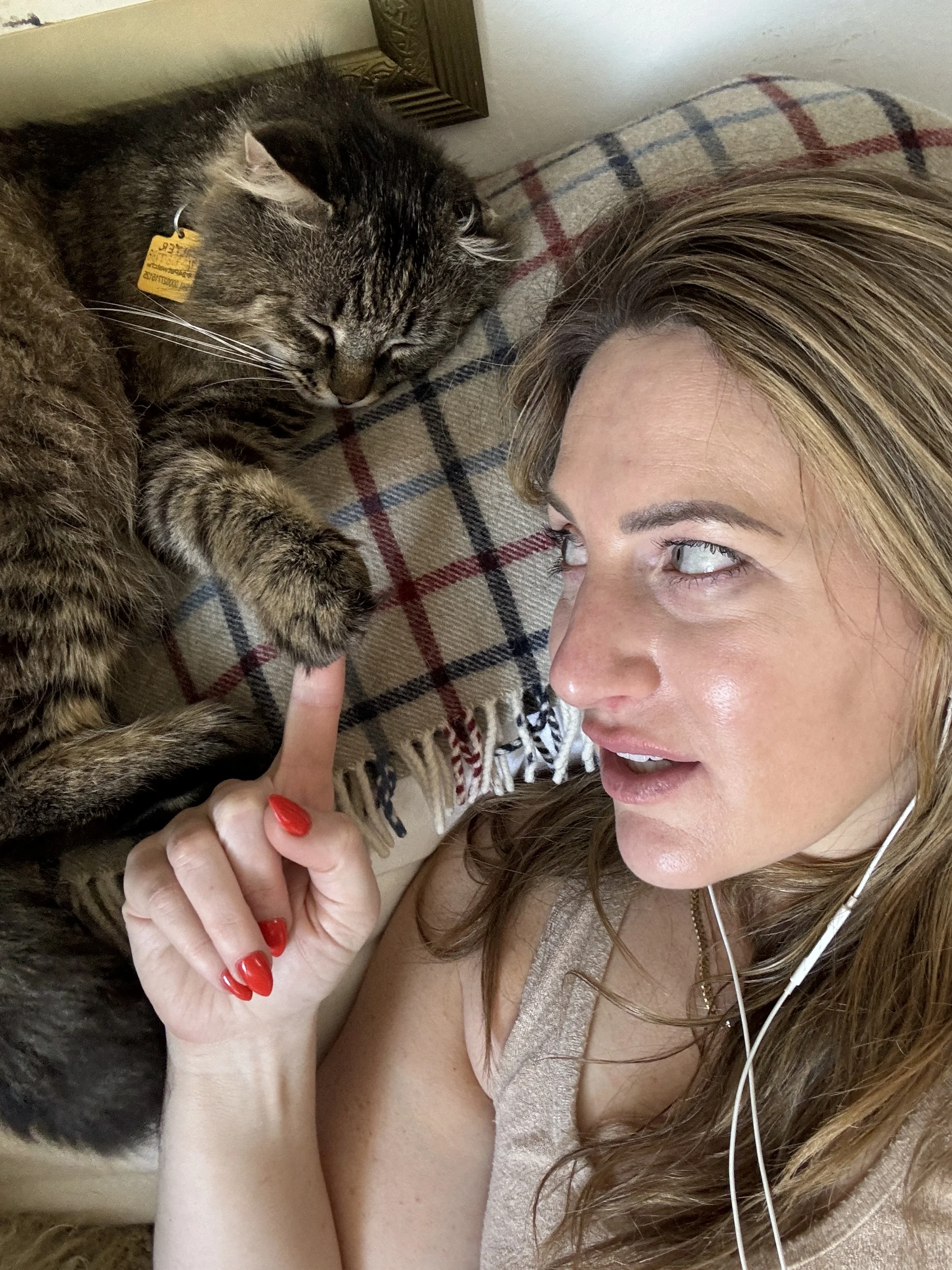
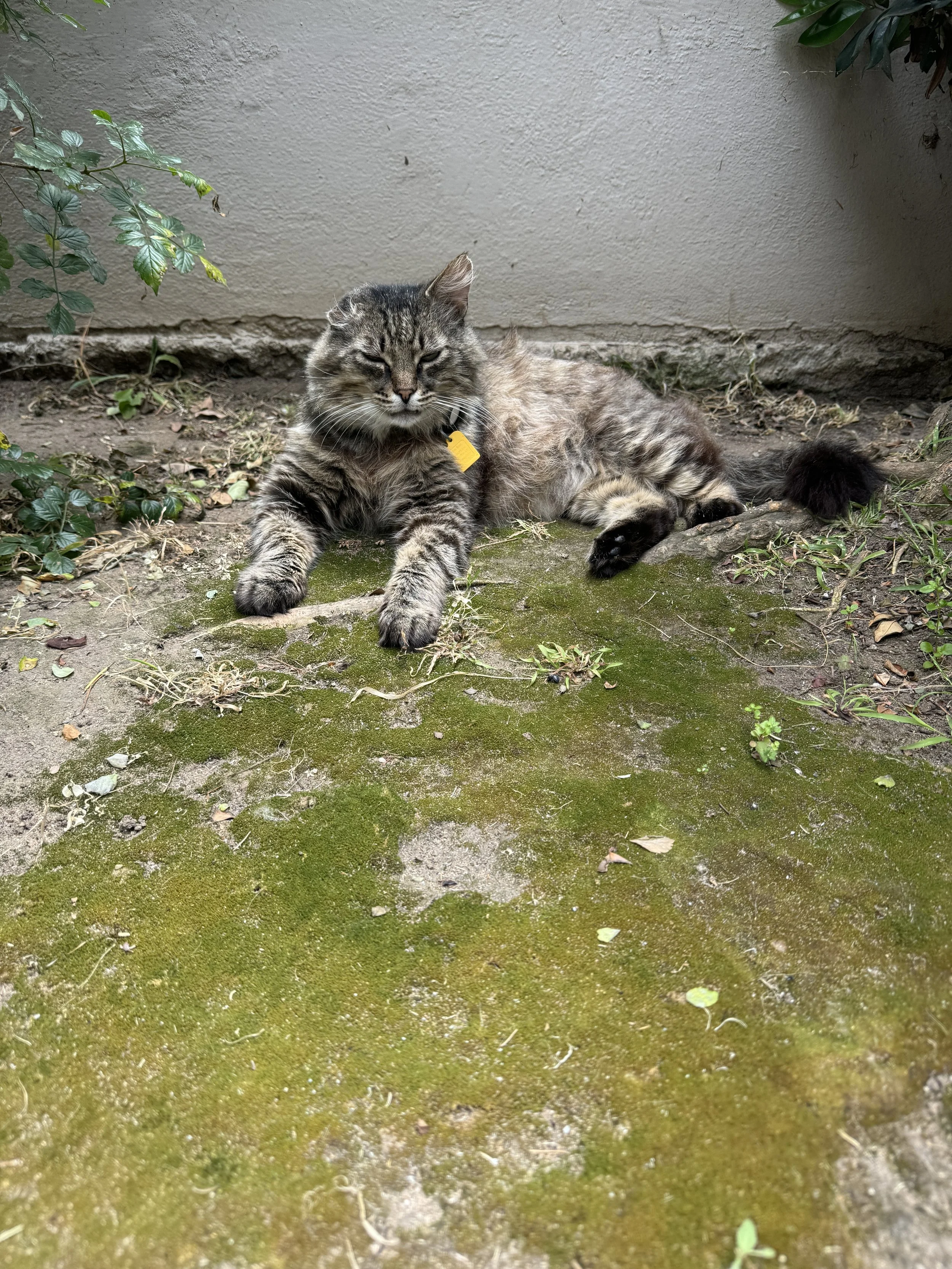
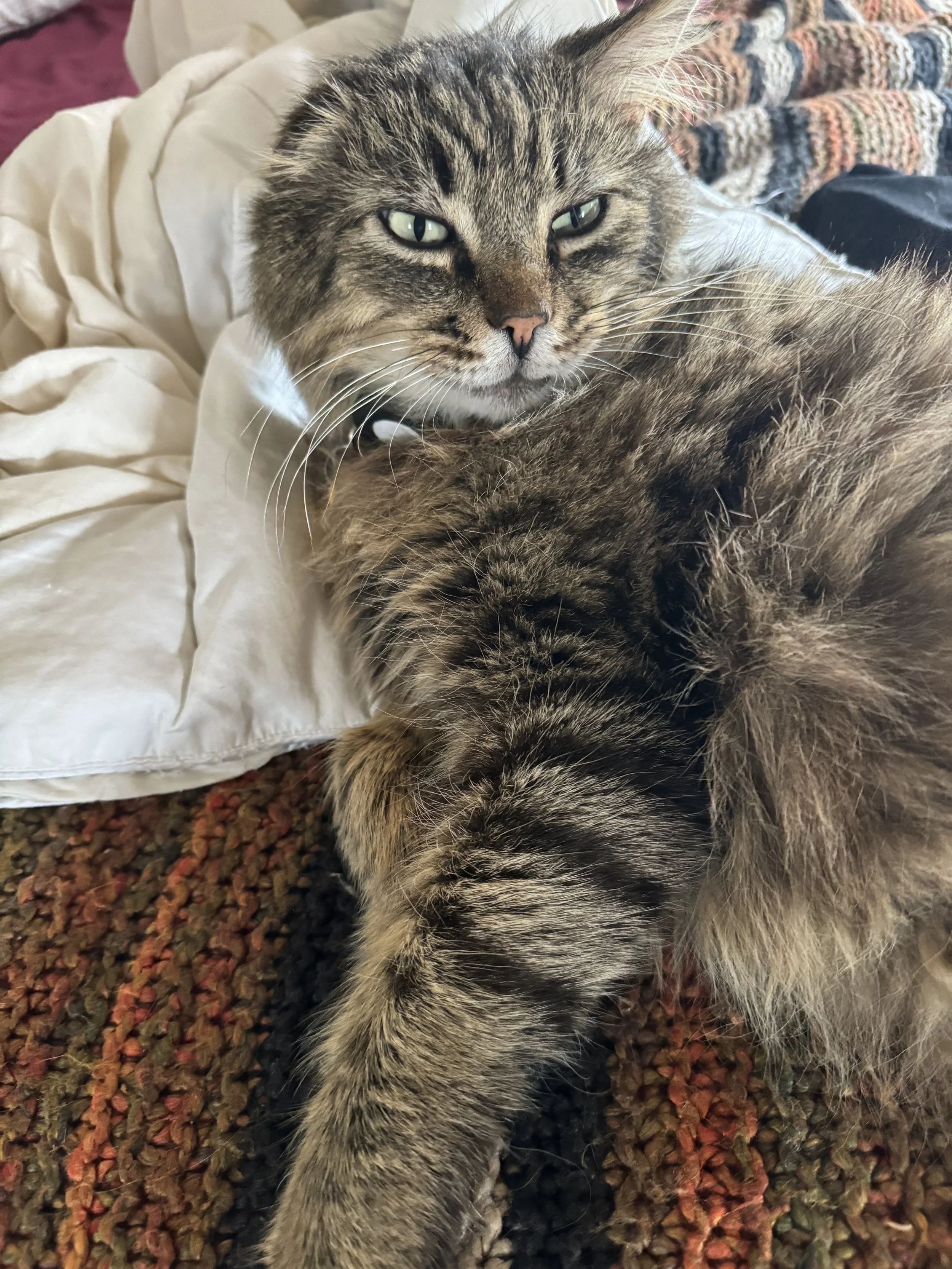
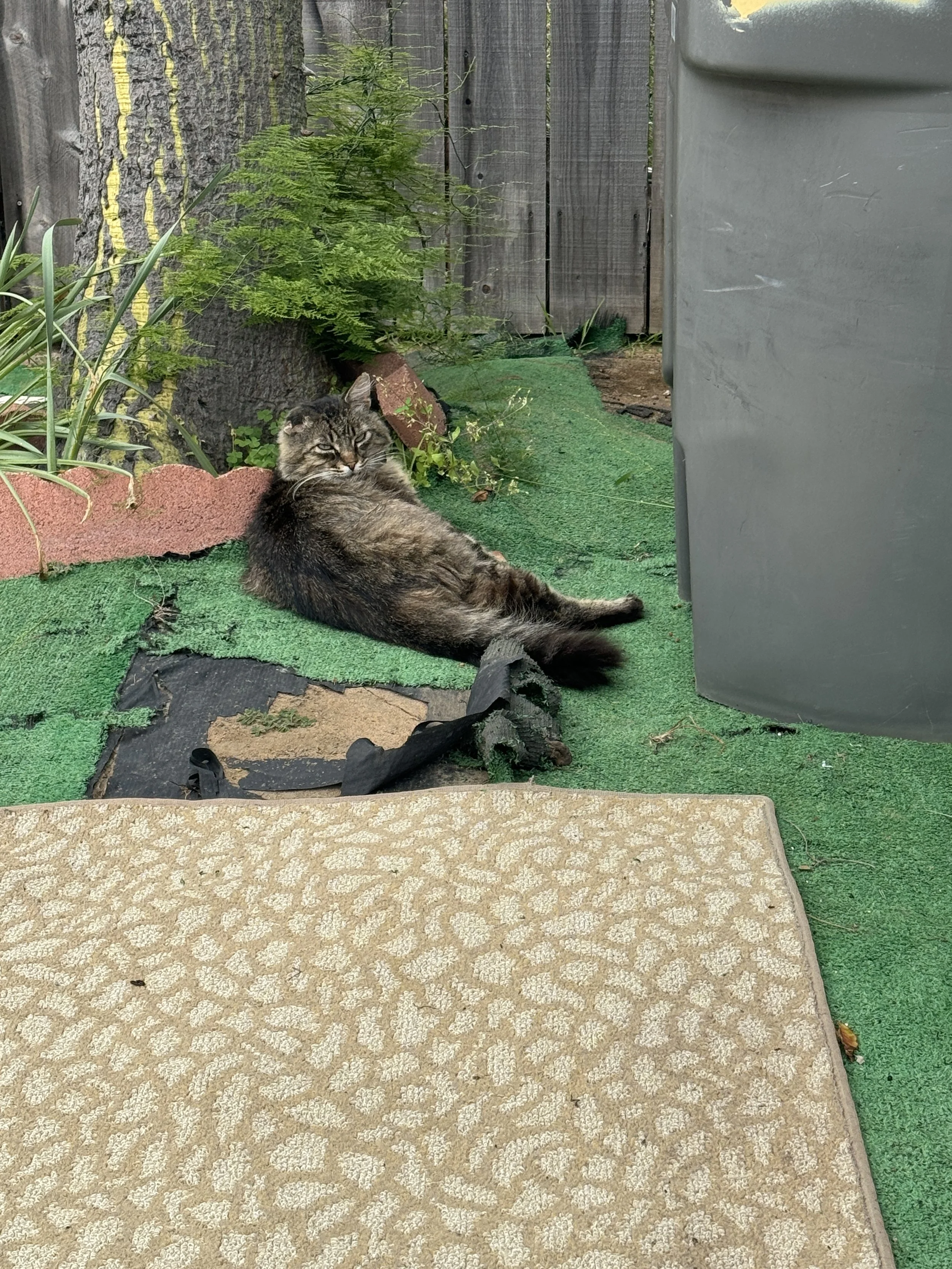
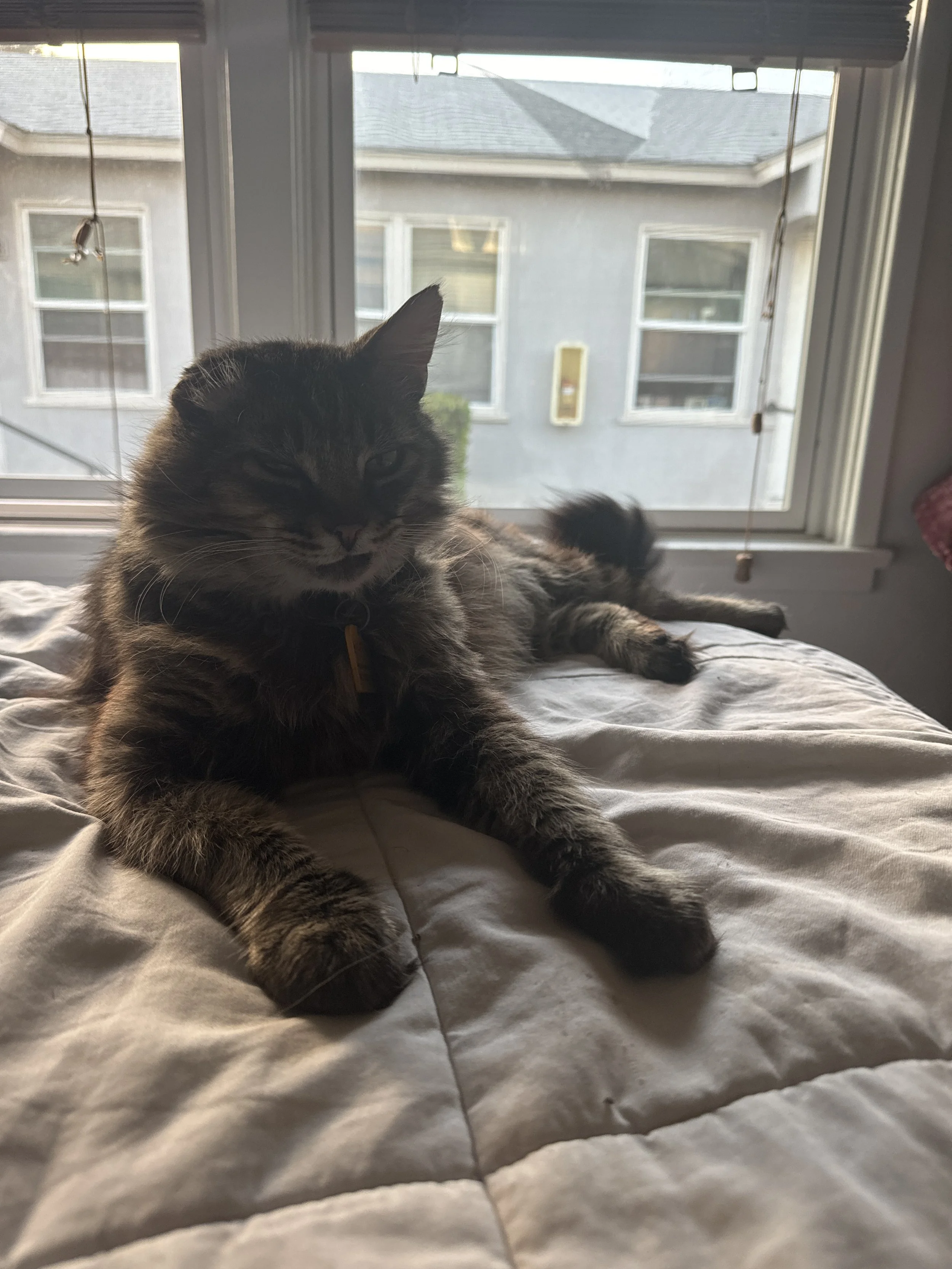
After a week or so, I began noticing a pattern. Every day, Walter was heading to the same place. My neighbor Neil's house.
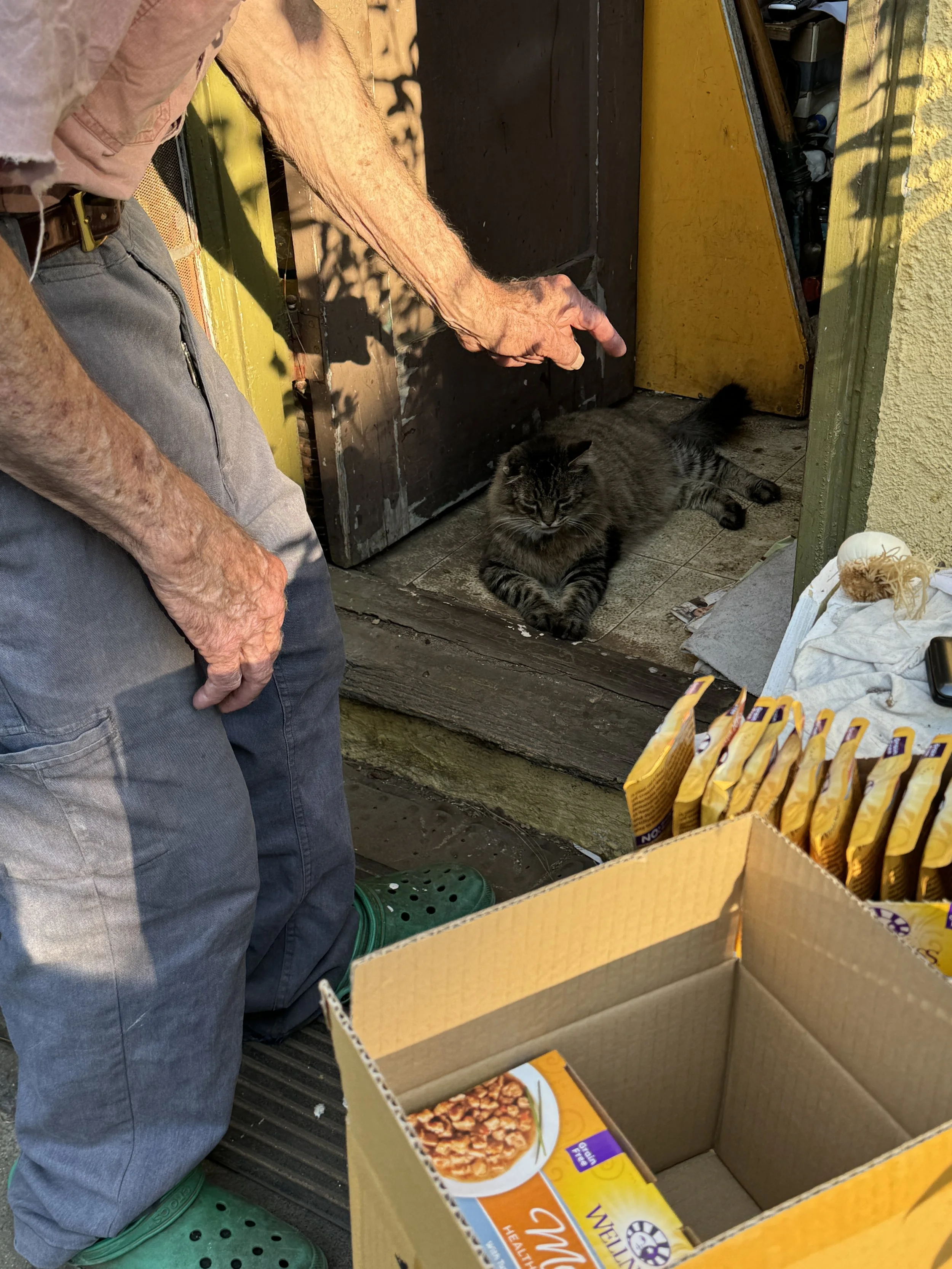
Neil had been caring for neighborhood cats for years, regularly leaving food outside his home. We had met the year before through my cat Sebastian and had quickly become friends.
Whenever Walter appeared, Neil would dutifully call to let me know he was there. He would feed him, keep an eye on him, and make sure I knew he was safe.
And then one day, Neil called with a question.
"Would you mind if I just kept Walter here?"
I breathed a sigh of relief.
"Yes," I told him. "I would want nothing more."
Walter had made his choice, and thankfully, Neil felt the same way.
And just like that, Walter found his forever home.
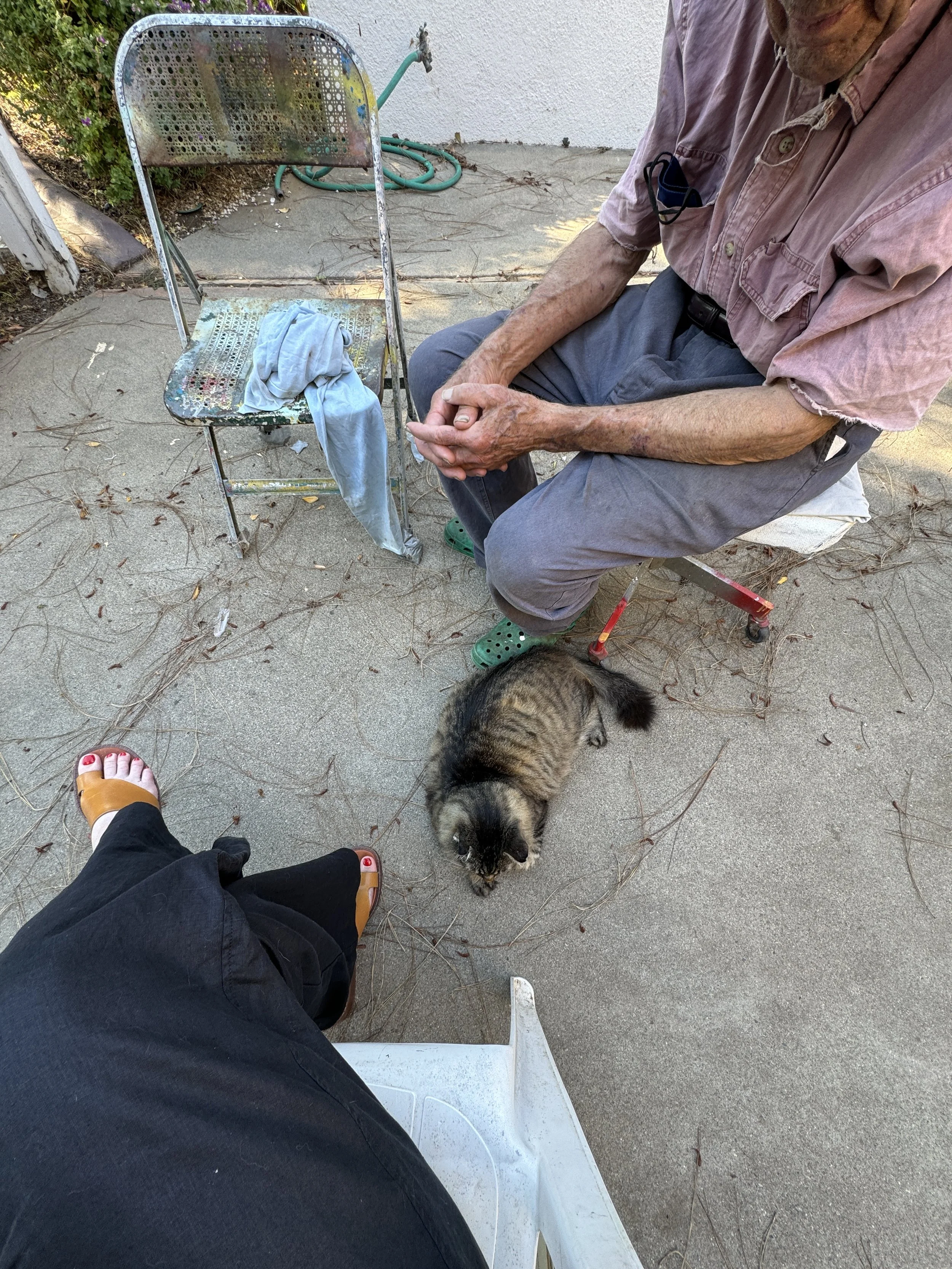
Today, Walter sleeps beside Neil, keeps him company, and enjoys the kind of life every cat deserves: safe, loved, and completely at home.
As Neil advances in his 80s, he has often told me that Walter gives him purpose and a reason to keep going.
I think the feeling is mutual.
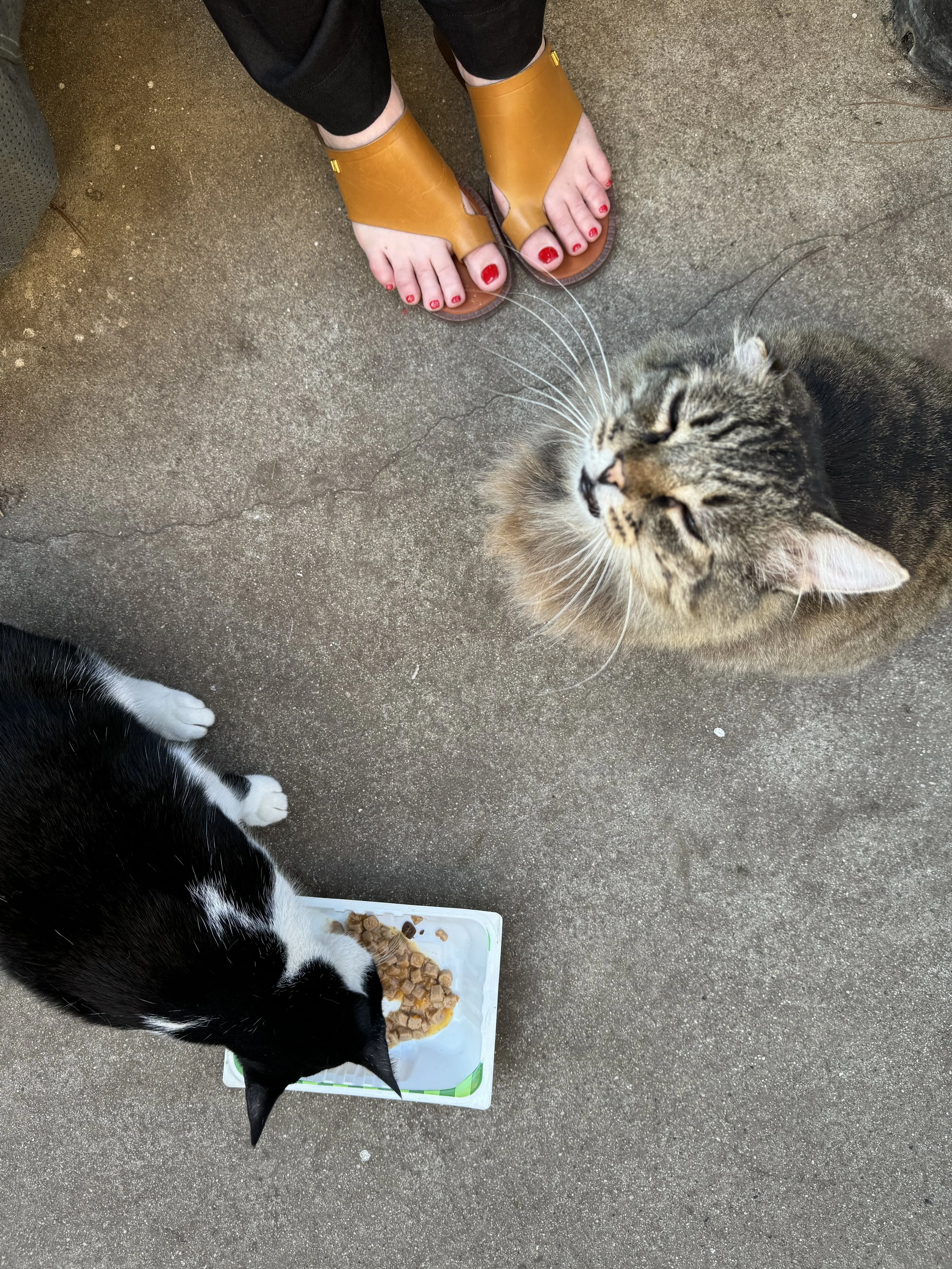
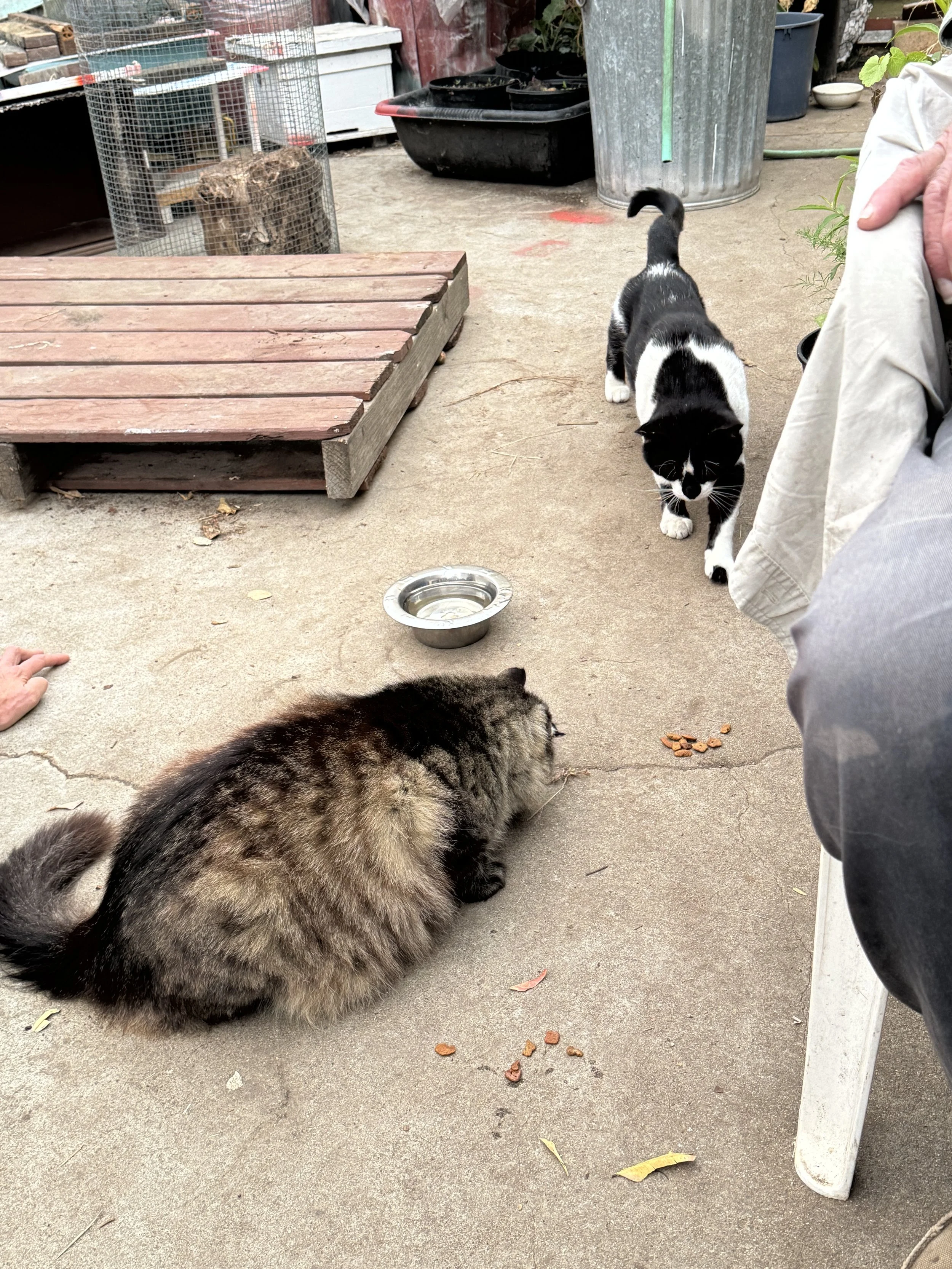
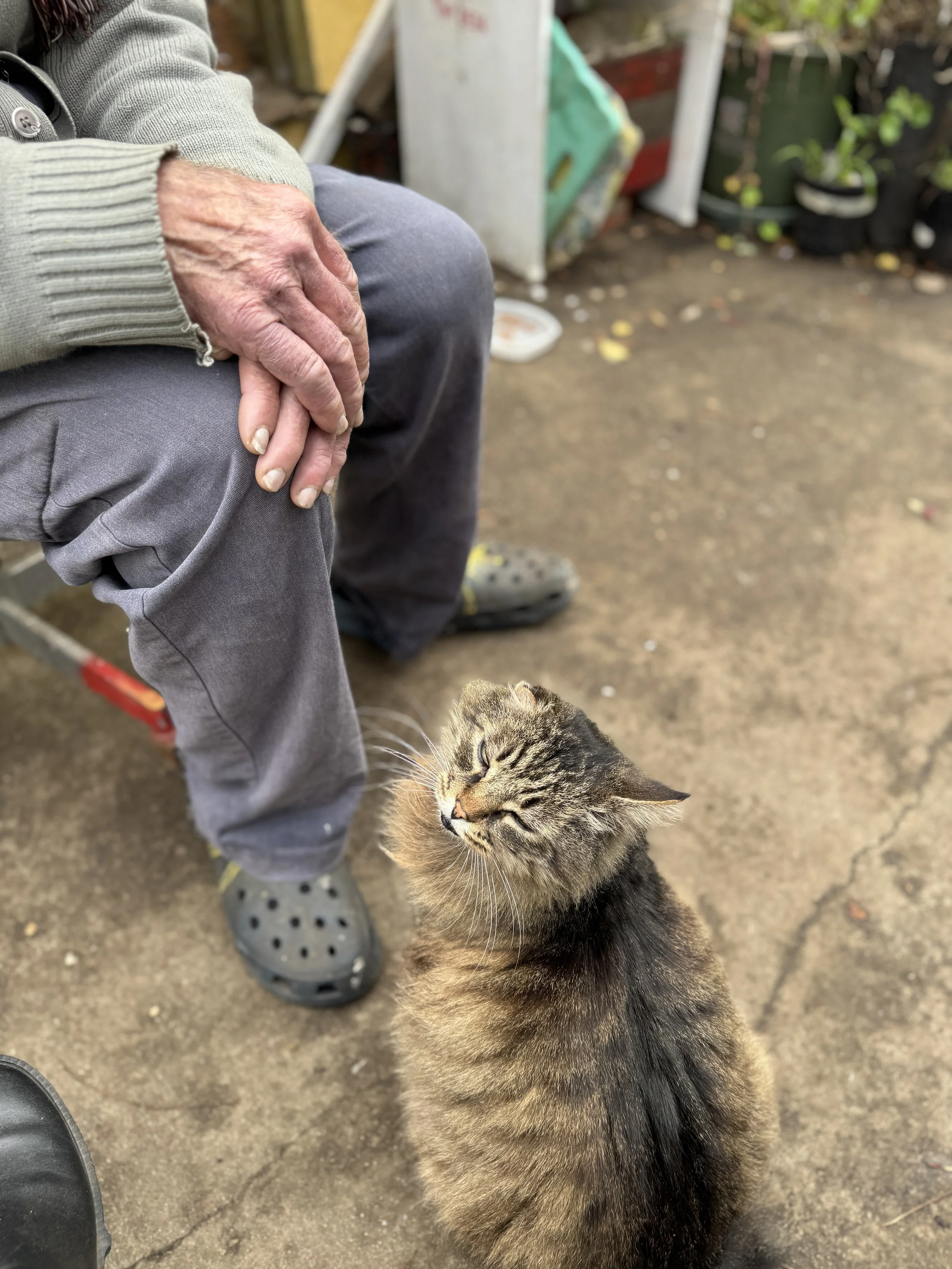
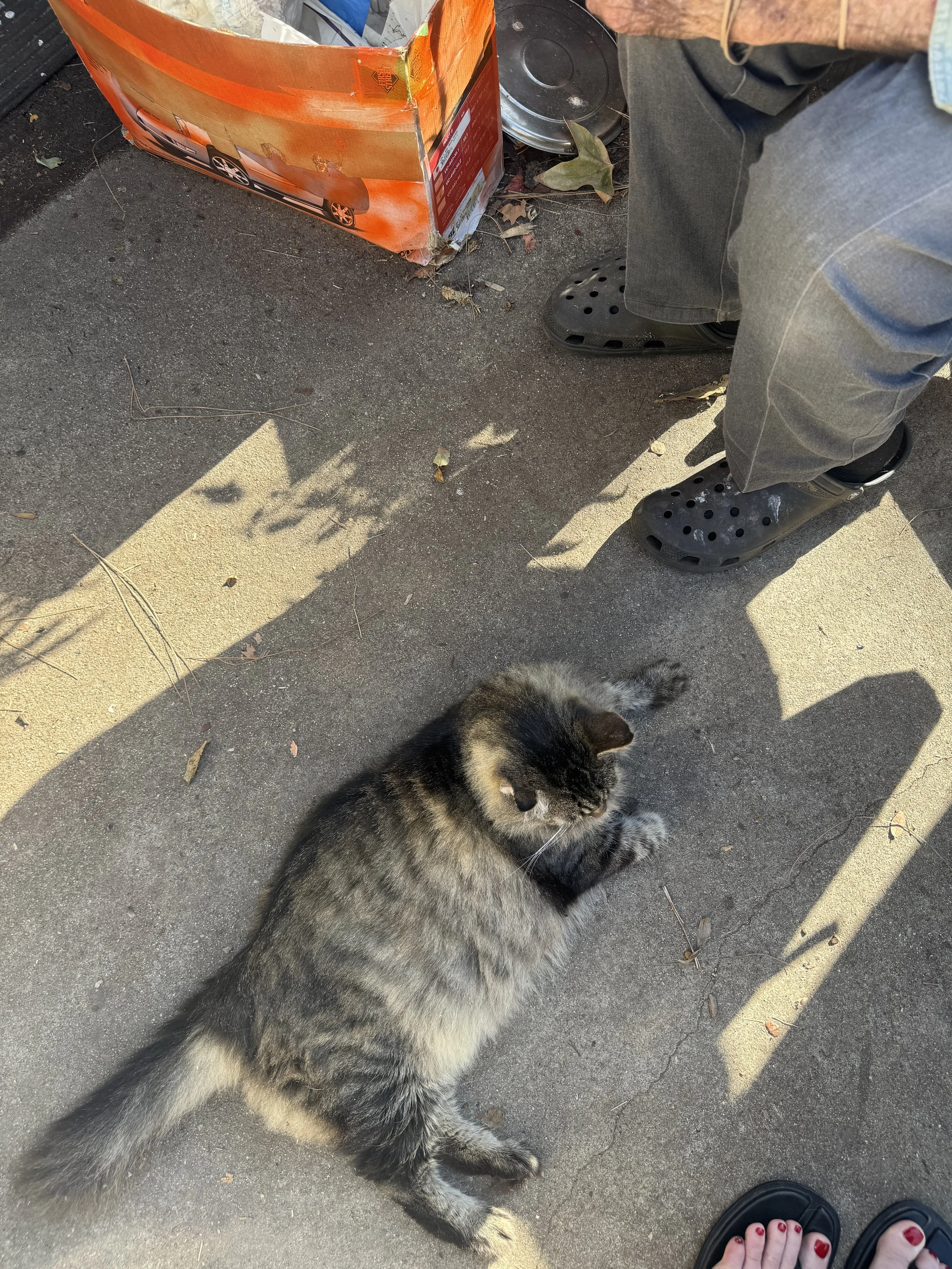
When I visit Neil, just a block away, Walter is usually sitting at his feet, basking in his attention. He gobbles up treats, greets Niel's stream of numerous visitors with a series of meows, and offers a friendly tilt of his head for a pet. But before long, his attention returns to Neil, completely enamored with his caretaker.
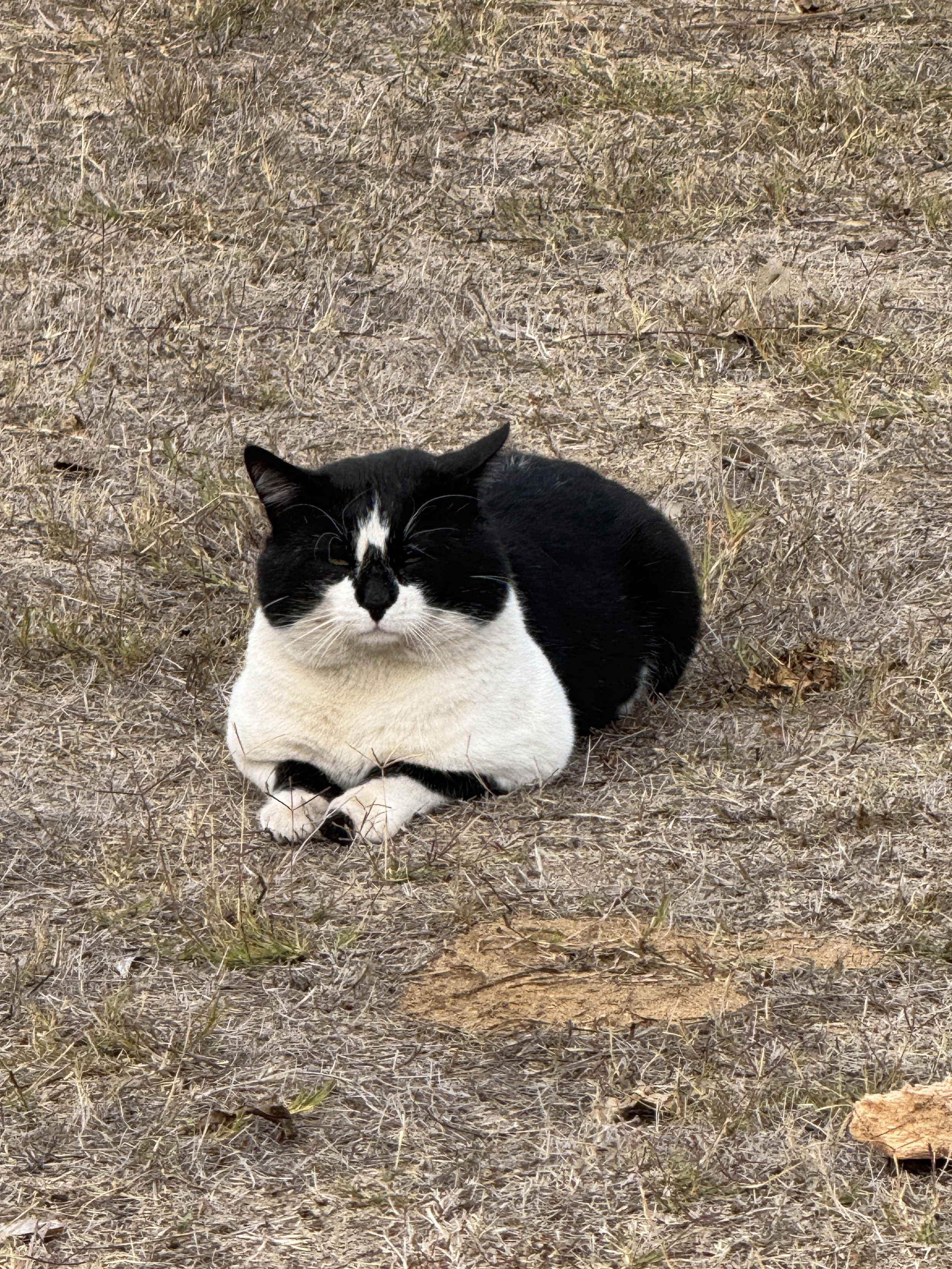
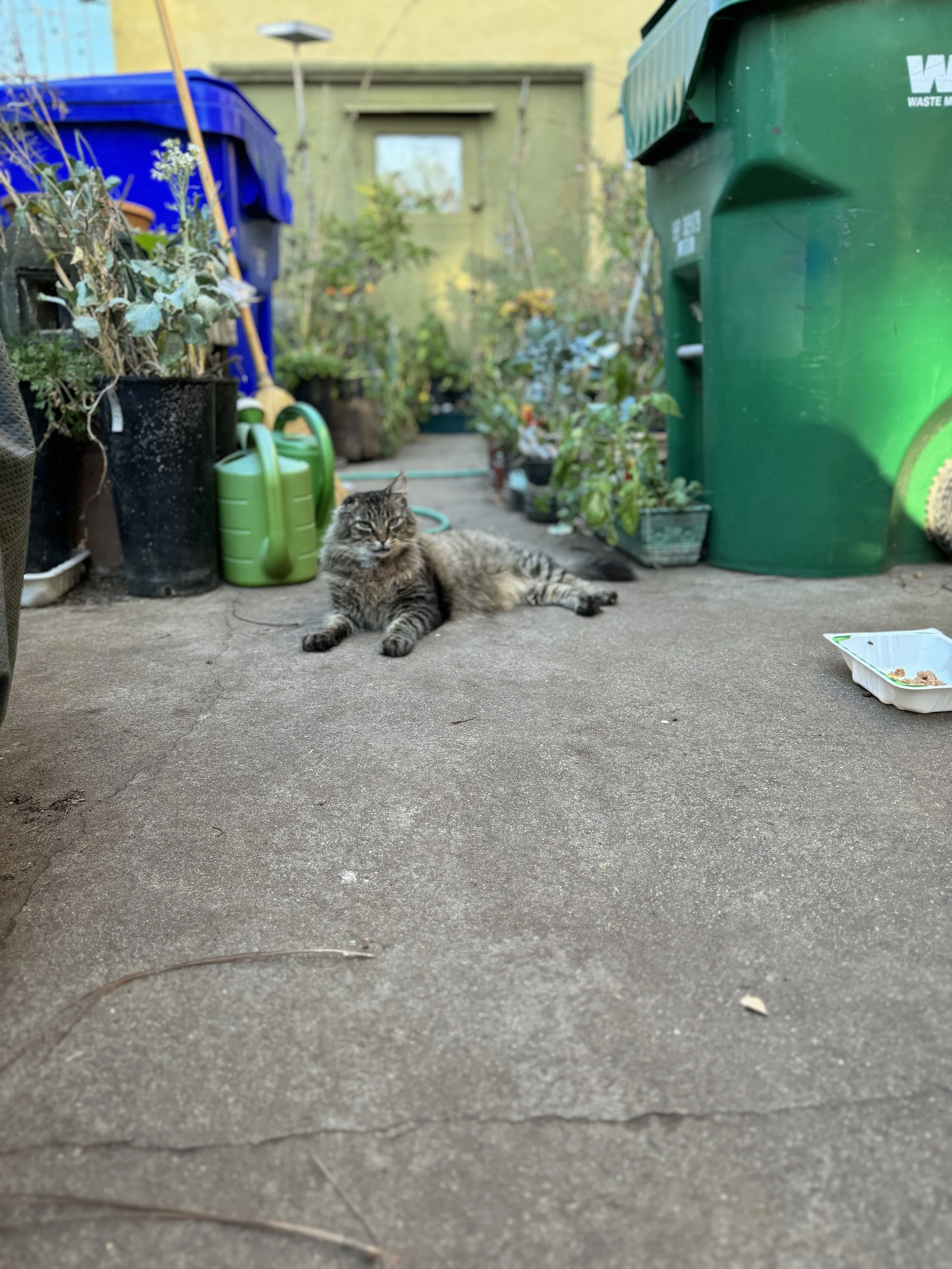
Walter has grown into a beautiful cat, large and robust, with a gorgeous, healthy coat. He is thriving.
Now over ten years old, Walter has slowed down a bit due to arthritis, something Neil jokes they have in common. He no longer roams the neighborhood. In fact, he rarely ventures beyond the safety of Neil's driveway.
The same cat who once traveled miles through Oceanside has finally decided there's nowhere else he'd rather be.
Watching Walter settle into this quiet retirement, perfectly in sync with his caretaker, I can't help but marvel at how things sometimes find their way when we give them a little room to unfold.
I'm so glad I didn't try to control Walter's story. Instead, I was simply a conduit, someone who could help him heal and get to the next chapter of his life.
And that's really all I want to be for these cats.
A temporary place of healing, whether physical or emotional, on their way to finding their own version of forever.
Whatever their definition of perfect may be.
Walter found his.
Sometimes rescue isn't about deciding where a cat belongs. It's about listening when they tell us.
And Walter made his choice perfectly clear.
But that's not quite the end of the story.
As it turns out, Walter wasn't the only cat who decided Neil's house was the perfect place to retire.
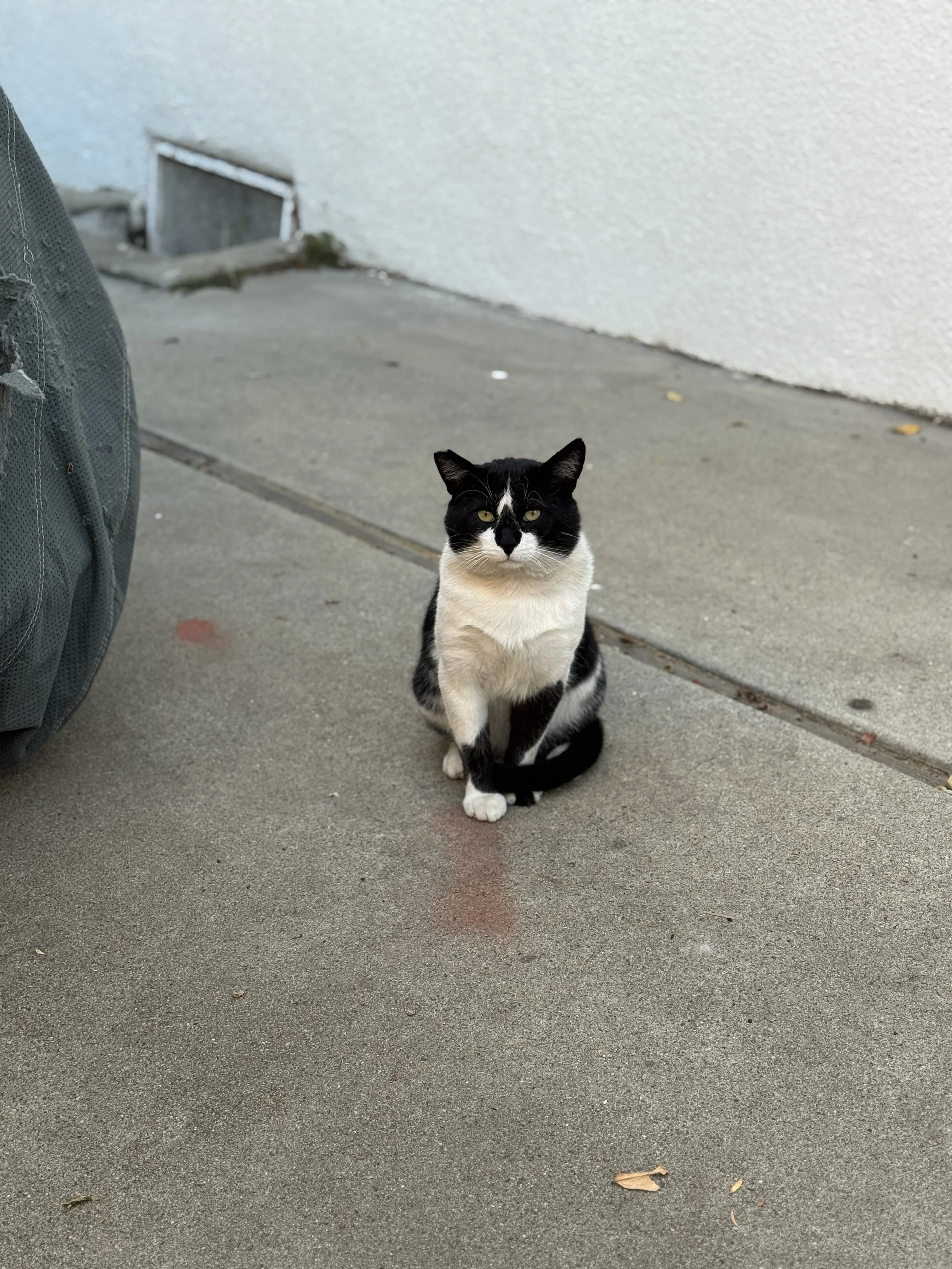
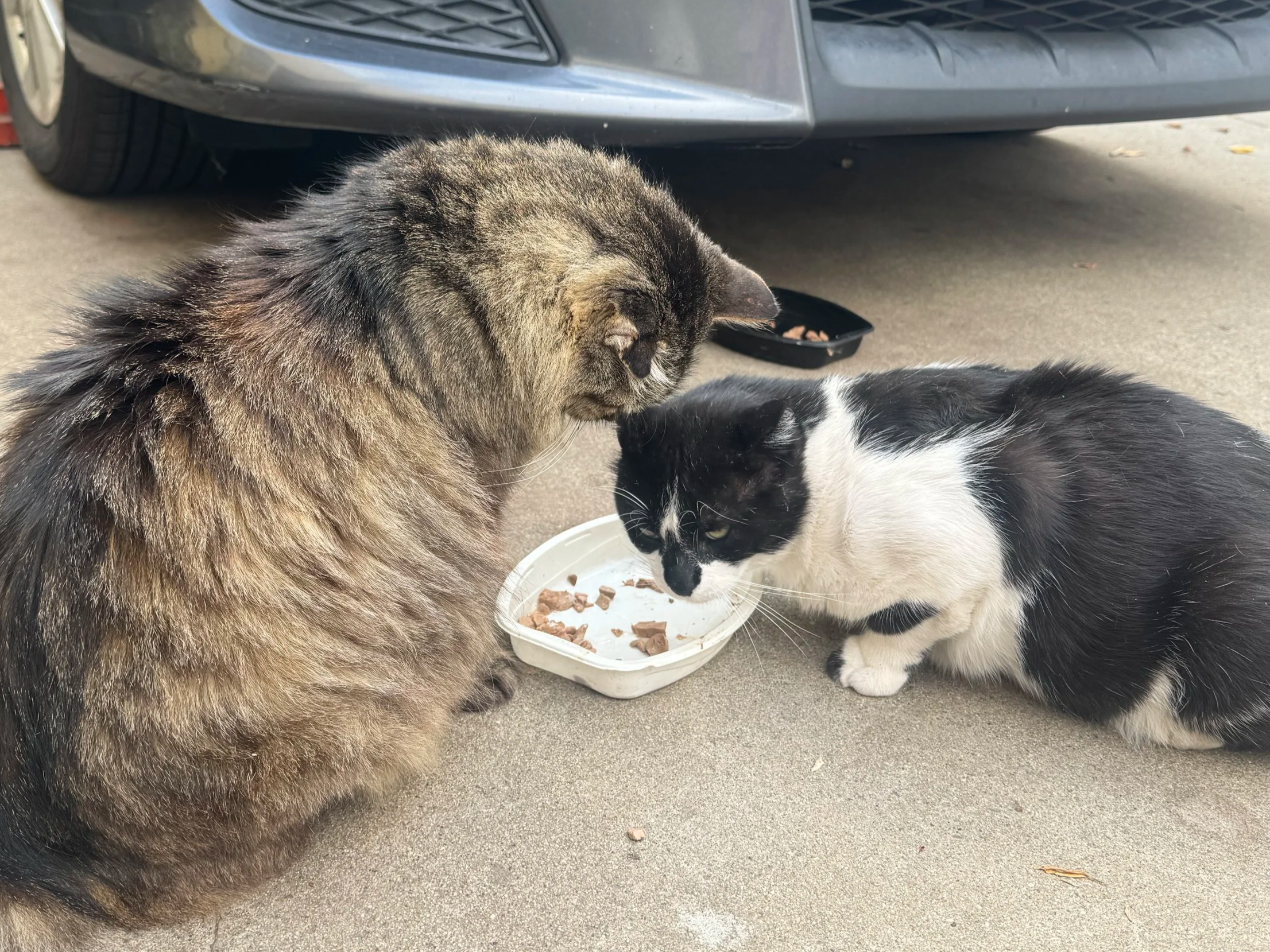
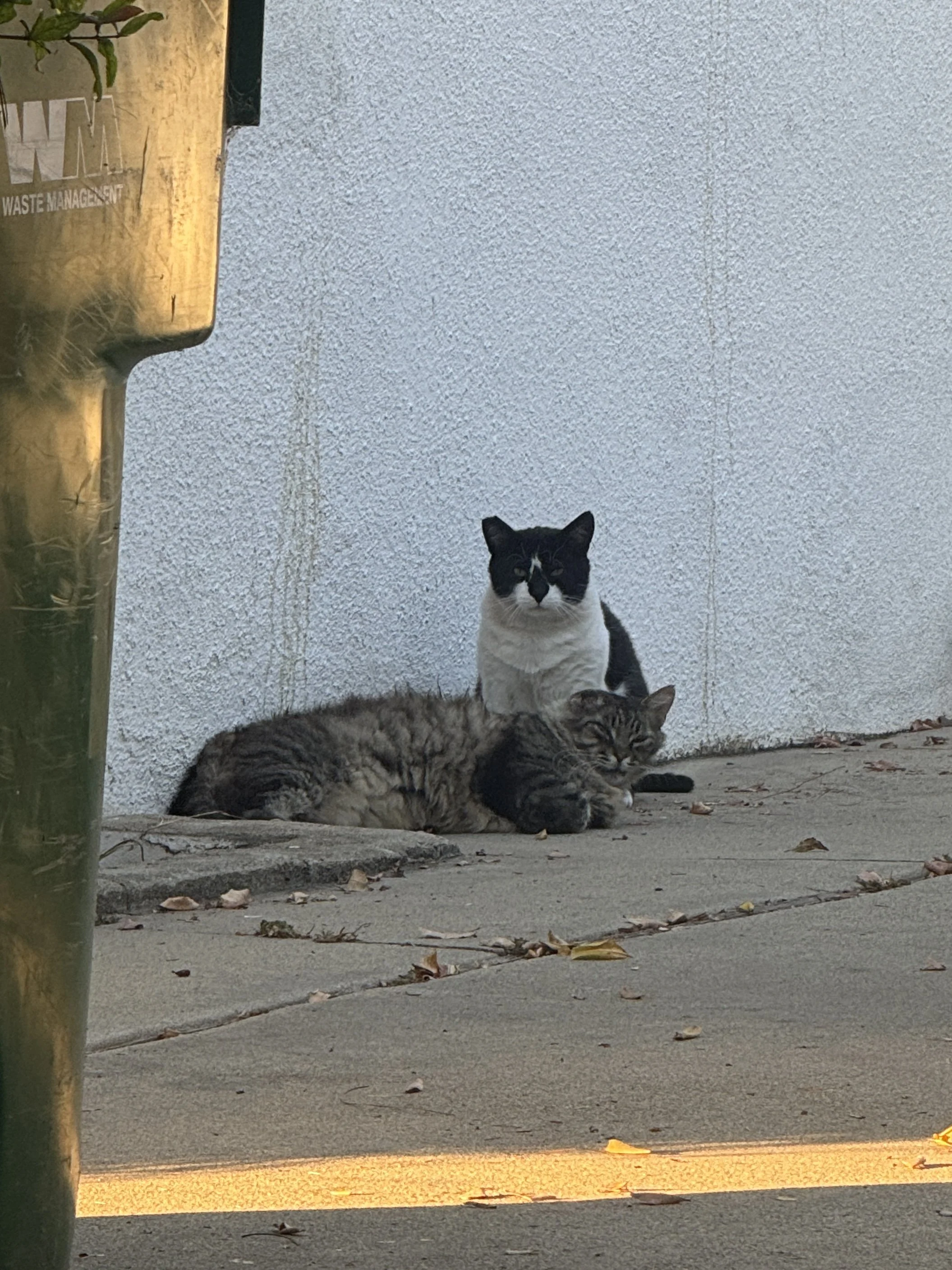
Along the way, another former street cat named Franz adopted Neil (and Walter, too!).
But that's a story of its own.